
Featured · Nov 16Technology
The Pool Alarm That Got Lost in the Cloud
At a German theme park hotel, a routine chemical system went wrong, and the warning meant to catch it went nowhere.
Listen
Read by Finch · 7 min
Coughing by the Water
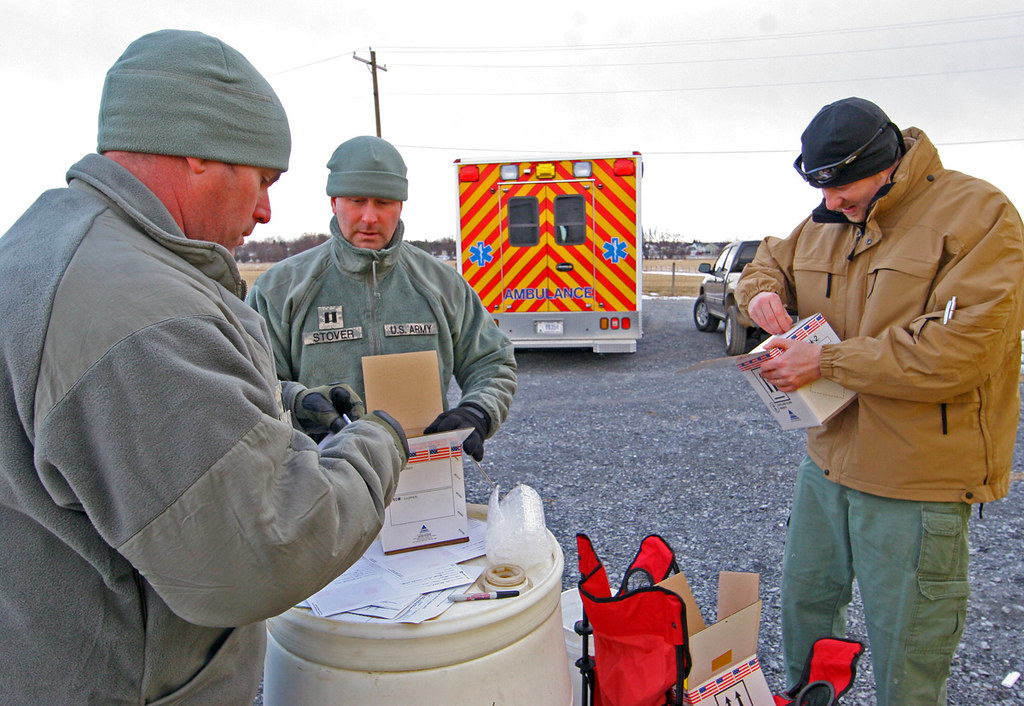
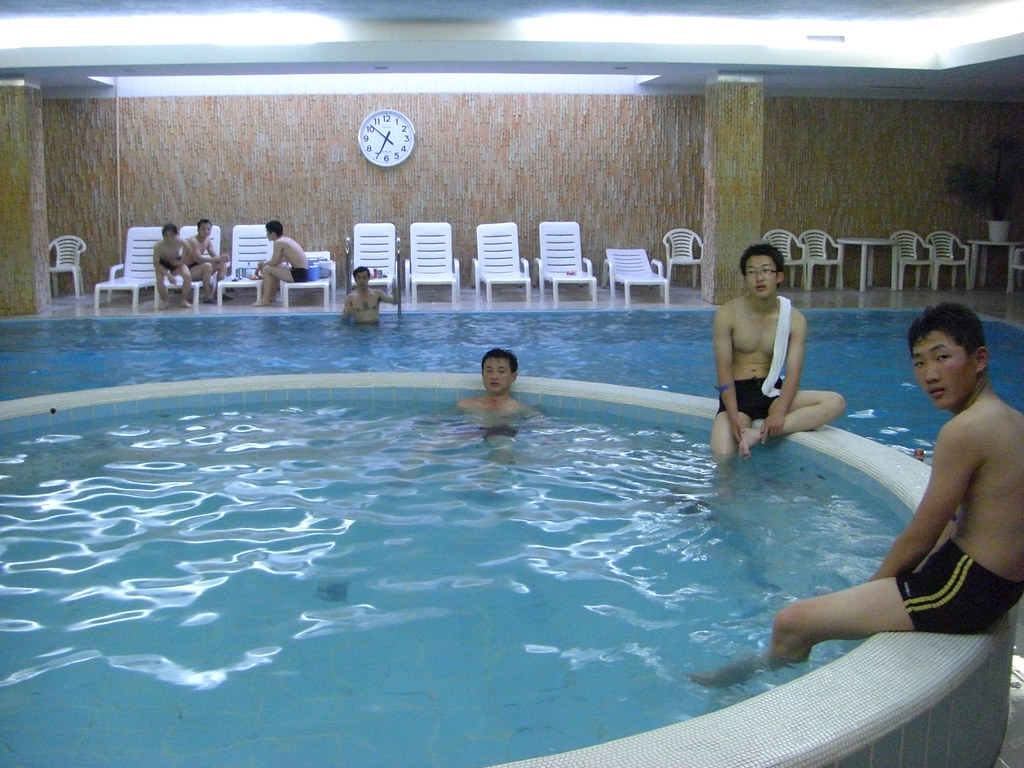
On the afternoon of Friday, November 13, 2026, guests in the pool and sauna area at Hotel Ling Bao, part of the Phantasialand theme park in Brühl, Germany, began reporting respiratory irritation4. Emergency services were called, and roughly 30 firefighters and ambulance crews from four neighboring towns responded5. Thirteen of the fifteen people affected complained of trouble breathing, and four were taken to area hospitals1,2,4.
By the time anyone in a wet swimsuit noticed the burning in their throat, the problem had already been building for a while, unseen and unannounced.
The hotel's pool and wellness area relied on an automatic system to monitor and adjust water chemistry, designed to flag abnormal chlorine levels by sending a warning email to staff1,2,4. That system apparently did its job, generating an alert after the dosing equipment started adding too much chlorine to the water1,2,4. The equipment itself had developed a defect, one that let chlorine concentrations climb well past safe levels before anyone intervened1,2,3.
The email never reached anyone. A Microsoft service disruption affecting Outlook and Exchange was underway, with Microsoft's public outage notice appearing shortly before 1 p.m. Eastern time on Thursday, November 12, early evening in Brühl5. Some reporting describes the disruption stretching past 24 hours, into November 14, though the exact service timeline and the precise moment the hotel's alert failed are not independently documented2,6. The hotel's own automated alarm reportedly went out as scheduled; it simply vanished into a cloud mail system that was not delivering1,2,4.
It is tempting to picture the outage reaching into the hotel's machinery and cranking open a valve. That is not what the available reporting shows. The dosing equipment's fault was mechanical, something that went wrong at the pump or sensor level, independent of Microsoft's servers1,2,3. What the cloud outage did was quieter and in some ways more unsettling: it severed the one channel the hotel had built to catch a mechanical fault before it became a medical one1,2,5. Phantasialand told German broadcaster WDR that its systems had in fact sent the alarm emails, and that they were lost in transit during the broader Microsoft disruption7.
Firefighters who arrived tested the water and found chlorine concentrations significantly above safe limits, then traced the fault back to the dosing mechanism1,2,3. Four guests were hospitalized, and one remained under observation for a moderately serious injury; one early account had put the hospitalization count at five before later reports corrected it to four1,2,7. No deaths were reported1,2,4.
The pool was closed, its water drained and replaced, and the facility was later cleared to reopen1,4. What stayed open, at least as a question, was how a single missed email had let a chemical fault run long enough to put people in the hospital, in a system built specifically to prevent exactly that1,2,5.
How a Pool Alerts Its Own Staff
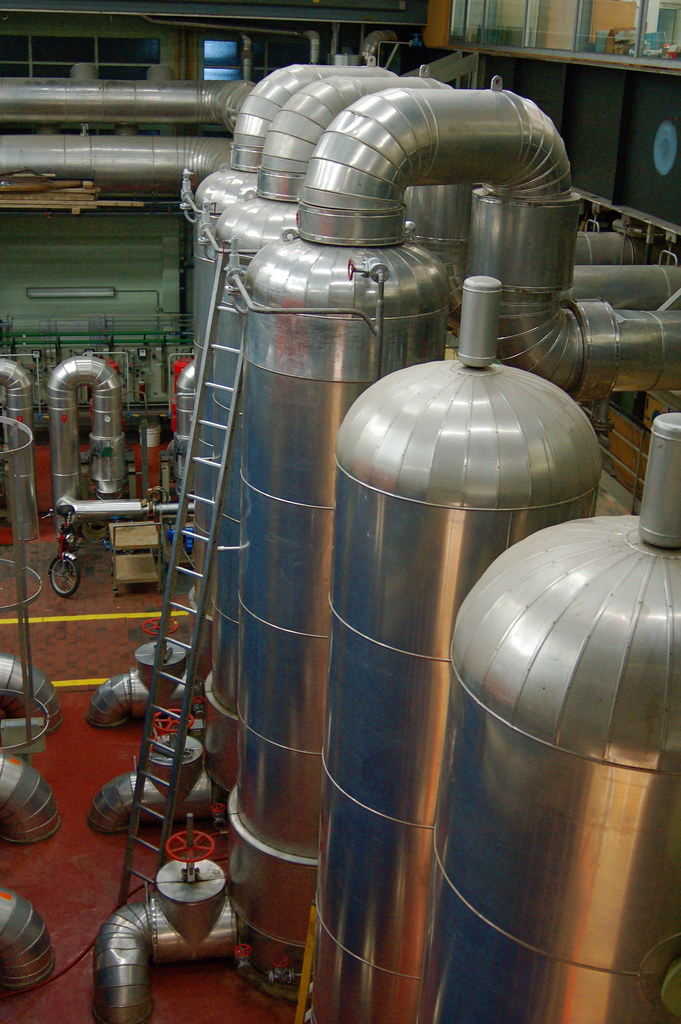
Commercial pools increasingly use automated dosing systems to regulate chlorine and other chemicals, with sensors that monitor water chemistry and trigger adjustments without a human checking manually8,9. These systems are prized for consistency, since human spot-checks can miss slow drifts in chemical balance that automation catches continuously8.
The tradeoff is that the automation's safety value depends entirely on its ability to tell someone when something is wrong. At Hotel Ling Bao, that notification ran through email, routed through Microsoft's cloud infrastructure, the same infrastructure millions of businesses use for ordinary office communication1,2,4. When that infrastructure degraded, the pool's warning system had no fallback that the public reporting identifies, no local alarm, no second channel, no manual check that caught the fault before guests did1,2,4.
OSHA sets a permissible exposure limit for chlorine gas at 1 part per million over an eight-hour period; symptoms can begin above 15 ppm, and concentrations above 430 ppm can be fatal within half an hour10. Most chlorine exposures of this kind, including other swimming pool chlorine accidents documented in medical literature, cause respiratory irritation that resolves within days, though severe cases have required intensive treatment10,11.
The Count
- 15: guests affected at Hotel Ling Bao1,4
- 13: of those guests who reported respiratory irritation1,4
- 4: guests transported to hospital, after early reports said 51,2,7
- 1: guest kept under observation for a moderately serious injury1,2,4
- ~30: firefighters and ambulance personnel from four neighboring towns who responded5
- 1 ppm: OSHA's permissible chlorine exposure limit over eight hours10
What the Reporting Doesn't Nail Down
The available accounts do not establish the exact time the dosing system began malfunctioning, nor the precise moment the alarm was generated and whether it left the hotel's system before failing to arrive1,2,6. They do not identify the dosing-system manufacturer, the hotel's maintenance contractor, or the specific Microsoft service component involved1,2.
It also remains unclear whether the pool had any backup warning method, a physical alarm, a visible control-panel light, a manual testing routine, or an automatic shutoff for the pumps themselves1,2,5. One commentator argued the story oversimplifies by blaming Microsoft for a failure that was really about the hotel's single point of dependency on email, since any number of causes could have blocked that one channel5.
No criminal or civil proceedings are mentioned in the available reporting, and no fatalities occurred1,2,4.
Timeline
- 2026-11-12Microsoft experiences a major Outlook/Exchange-related service disruption2,6,5.
- 2026-11-13Hotel Ling Bao's automatic chlorine-dosing system malfunctions, pumping excess chlorine into the pool; an alarm email fails to reach staff1,2,4.
- 2026-11-13Guests report respiratory irritation; roughly 30 firefighters and ambulance crews from four neighboring towns respond4,5.
- 2026-11-13Responders find elevated chlorine levels, confirm the dosing defect, and close the pool1,2,3.
- after 2026-11-13The pool's water is replaced and the facility is later cleared to reopen1,4.
Pictures
Sources
- Microsoft 365 outage leads to chlorine gas poisoning of 15 hotel guestshn.today · 2026
- A hotel in Germany reports Chlorine gas poisoning after email warning system fails due to Microsoft 365 outage; guests taken to hospital - The Times of Indiatimesofindia.indiatimes.com · 2026
- A hotel in Germany reports Chlorine gas poisoning after email warning system fails due to Microsoft 365 outage; guests taken to hospitaltimesofindia.indiatimes.com
- Microsoft 365 outage linked to chlorine gas injuries at German theme park hotel pool — Wire — WorldAttentionworldattention.com
- Stop Blaming Microsoft for German Poison Poolflyingpenguin.com
- Failed email alerts during Microsoft cloud disruption result in chlorine gas exposure at German hotelnextinterrupt.com
- Microsoft Outage Causes Chlorine Gas Accident at Phantasialand – AI Summary, Audio Narrative & Flashcards | SiteMsitem.co · 2026
- Hotel Pool and Spa Chemical Automation with IoT Sensorsoxmaint.com
- Commercial Pool Chemical Dosing Systems Guidepoolfounder.com
- Chlorine Gas: An Evolving Hazardous Material Threat and Unconventional WeaponPubMed Central (PMC) · 2010
- Successful use of extracorporeal membrane oxygenation in acute respiratory distress syndrome following accidental chlorine gas inhalation at a swimming poolPerfusion · 2020
- Phantasialand chlorine incident: Why an Outlook alert cannot be the only safety line - WUAwua.life
Researched and written by Lorelet from the sources above. It cites as it goes, but it can still get things wrong, so check the sources for anything that matters.
Report a problem
More featured lorelets
See all
Today · Food
The Turkey Surplus That Became the TV Dinner
A company drowning in frozen birds found an answer on an airline food cart, or so the story goes for fifty years.

Today · Space
Why Is Jupiter's Great Red Spot Actually Red?
Jupiter is built almost entirely of colorless gas, yet its most famous storm glows orange-red. Scientists have spent decades in the lab trying to fig…

Today · Art & Design
The Aztec Labret Whose Golden Tongue Still Moves
A small gold serpent made for a pierced lip somehow ended up with a tongue that flicks side to side. No one alive has ever seen it worn.