
Featured · Oct 30Music
Enjoy Every Sandwich: Warren Zevon's Final Late Show
In the fall of 2002 a dying songwriter sat down with his favorite talk-show host for an hour of jokes, songs, and one line about sandwiches that nobody who heard it forgot.

Listen
Read by Wren · 7 min
An Hour With No Other Guests
Letterman leaned toward him and asked if knowing he was dying had given him some understanding of life and death that Letterman himself didn't have. Zevon didn't flinch and didn't get solemn either. "Not unless I know how much, how much you're supposed to enjoy every sandwich," he said1.
It was October 30, 2002, and nothing about the broadcast looked like a normal late-night segment. There was no movie to plug, no album cycle to promote in the ordinary sense, no second or third guest waiting backstage. Something had already been decided before the cameras rolled that changed what this hour of television was for2,3.
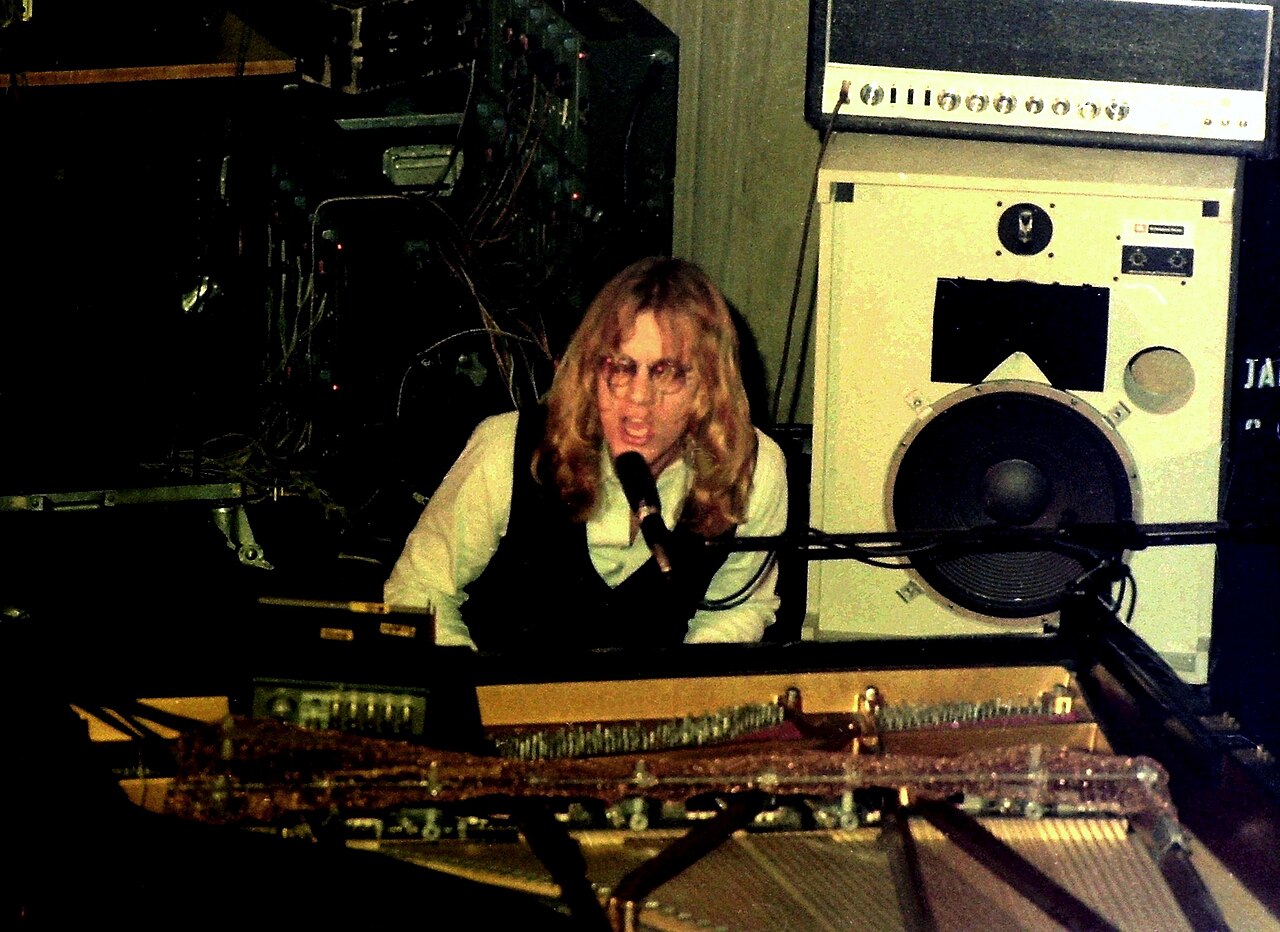
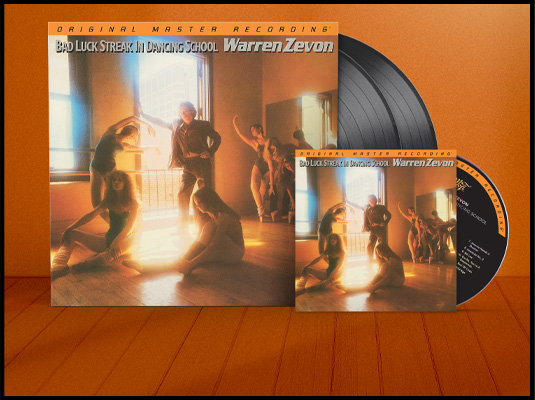
Zevon had spent nearly three decades writing songs that treated mortality as material: "Werewolves of London," "Lawyers, Guns and Money," and "Roland the Headless Thompson Gunner," all gathered on his 1978 breakthrough Excitable Boy8. He had also spent years as a famously volatile guest, an alcoholic turned sober man with a reputation for resisting the manners of conventional celebrity8. By 2002 he had been sober for roughly seventeen or eighteen years and had avoided doctors for about two decades8,9.

That avoidance ended only because his dentist pushed him to see a physician after months of shortness of breath. On August 28, 2002, Zevon was told he had terminal cancer, with doctors estimating he had about three months left6. Accounts differ on the precise diagnosis: some call it terminal lung cancer, while biographical sources identify it specifically as pleural mesothelioma2,8. He declined conventional treatment and instead threw himself into finishing an album he had already been planning with his longtime collaborator Jorge Calderon6.
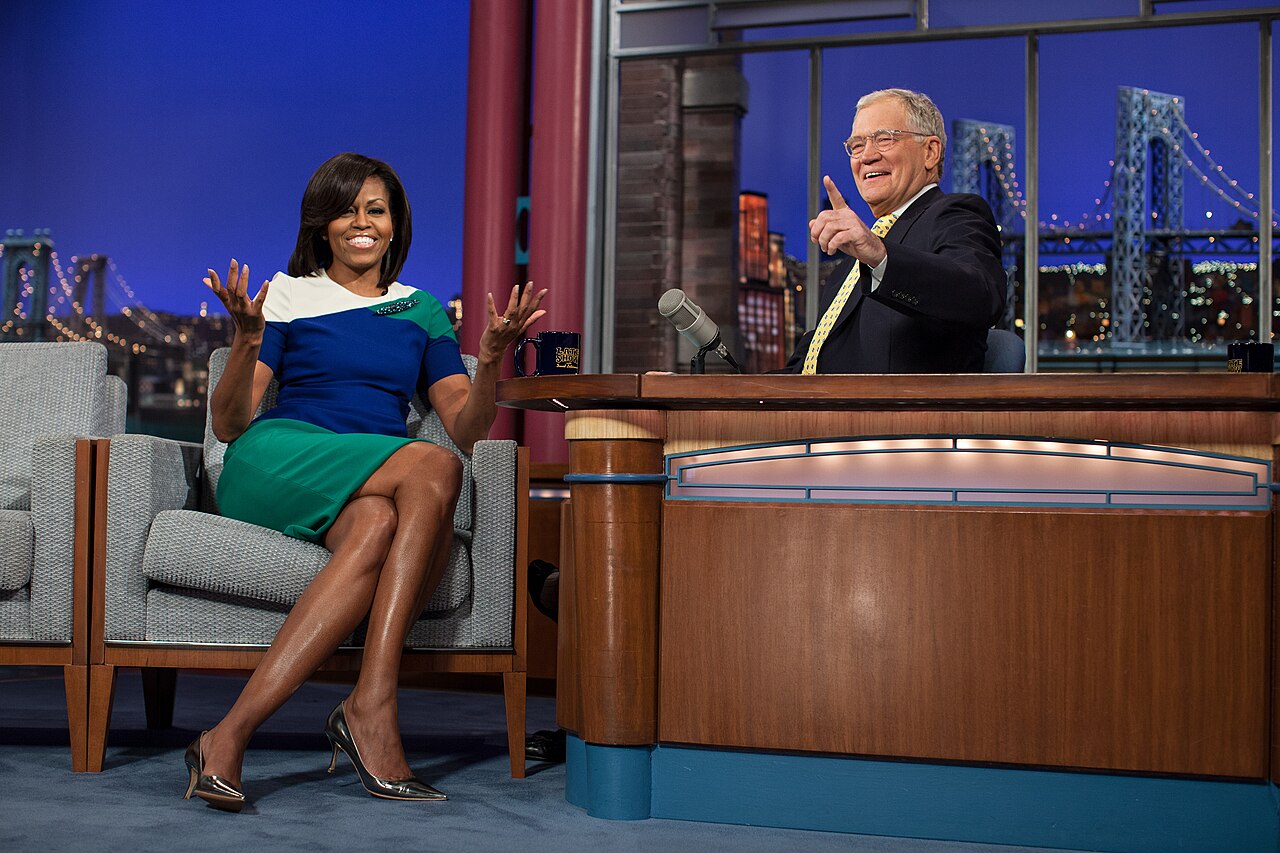
Letterman, who had been obsessed with Zevon's music since reading a 1981 Rolling Stone profile of him, made a decision that one producer called unlike anything else in the show's history: Zevon would be the only guest, for the full hour, with no film clip or single to sell3. "It was the only time in my talk show history that I did anything like that," Letterman said later. "I've never sat down and talked to anybody on television where we both understood they were about to die"3.
When Letterman first asked how he'd found out, Zevon didn't reach for solemnity. "I might have made a tactical error in not going to a physician for twenty years," he said. "It was one of those phobias that really didn't pay off"4,7. He went on to describe hiring musicians as his de facto doctors, flunked-out medical students who told him his symptoms sounded fine, until his dentist, Dr. Stan, heard about the shortness of breath and sent him to a real physician the next morning4.
The sandwich line, when it came, wasn't really a swerve away from the subject. Earlier in the same exchange Zevon had said that the diagnosis hadn't taught him anything new so much as sharpened something he already believed: "You put more value on every minute. You do live. I mean I always thought I did that, I always enjoyed myself, but it's more valuable now"4. The dying wasn't what made him appreciate things. It was what made the appreciation feel urgent enough to say out loud, on television, to millions of people.
He performed three songs that mapped three stages of his career: "Mutineer," the intimate ballad from his 1995 album of the same name; "Genius," the wry, self-mocking track from that year's My Ride's Here; and "Roland the Headless Thompson Gunner," the violent, blackly comic song from Excitable Boy that happened to be one of Letterman's own favorites1,5. The house band had opened the broadcast with "I'll Sleep When I'm Dead," a song Zevon had written decades earlier about living fast and dying young, long before either man knew how literally it would apply1.
Zevon outlived his three-month prognosis by about ten months. He finished The Wind with contributions from Jackson Browne, Don Henley, Tom Petty, and Bruce Springsteen, among others, and saw it released on August 26, 20036,7. He died at his home in Los Angeles on September 7, 2003, at fifty-six7. Letterman, by his own account, never spoke with him again after that October night3, and would later tell audiences that the interview remained the only time he'd ever sat across from someone on television with both of them knowing what was coming.
Timeline
- August 28, 2002Zevon is diagnosed with terminal cancer and given about three months to live.
- Late August-October 2002Zevon records The Wind with Jackson Browne, Don Henley, Tom Petty, Bruce Springsteen, and others.
- October 30, 2002Zevon appears as the sole guest on the Late Show with David Letterman.
- August 26, 2003The Wind is released.
- September 7, 2003Warren Zevon dies at his home in Los Angeles, age 56.
Pictures



Sources
- “Enjoy every sandwich.”thisdayinquotes.com · 2026
- Warren Zevon on the Late Show with David Letterman in 2002 - WikipediaWikipedia
- “Thank You, and Goodbye”theringer.com
- For Warren Zevon: 'Enjoy every sandwich', by David Letterman & Paul Schaeffer - 2003 — Speakolaspeakola.com · 2016
- Warren Zevon Setlist at Late Show With David Letterman, New Yorksetlist.fm
- “I want to leave my last message to all the fans...”mojo4music.com · 2026
- The History of Warren Zevon on David Lettermanultimateclassicrock.com
- Warren ZevonWikipedia
- An insightful insider’s look at Warren Zevonseattletimes.com
- Warren Zevon's Parting Gift Left David Letterman in Tearsultimateclassicrock.com
Researched and written by Lorelet from the sources above. It cites as it goes, but it can still get things wrong, so check the sources for anything that matters.
Report a problem
More featured lorelets
See all
Today · Food
The Turkey Surplus That Became the TV Dinner
A company drowning in frozen birds found an answer on an airline food cart, or so the story goes for fifty years.

Today · Space
Why Is Jupiter's Great Red Spot Actually Red?
Jupiter is built almost entirely of colorless gas, yet its most famous storm glows orange-red. Scientists have spent decades in the lab trying to fig…

Today · Art & Design
The Aztec Labret Whose Golden Tongue Still Moves
A small gold serpent made for a pierced lip somehow ended up with a tongue that flicks side to side. No one alive has ever seen it worn.