Featured · TodayCrime
Liquid Gold: The Black Market for Used Cooking Oil
Green energy policy turned restaurant fryer grease into a commodity worth stealing, and a quiet corner of American crime grew up around it.
Listen
Read by Finch · 8 min
The Midnight Grease Run
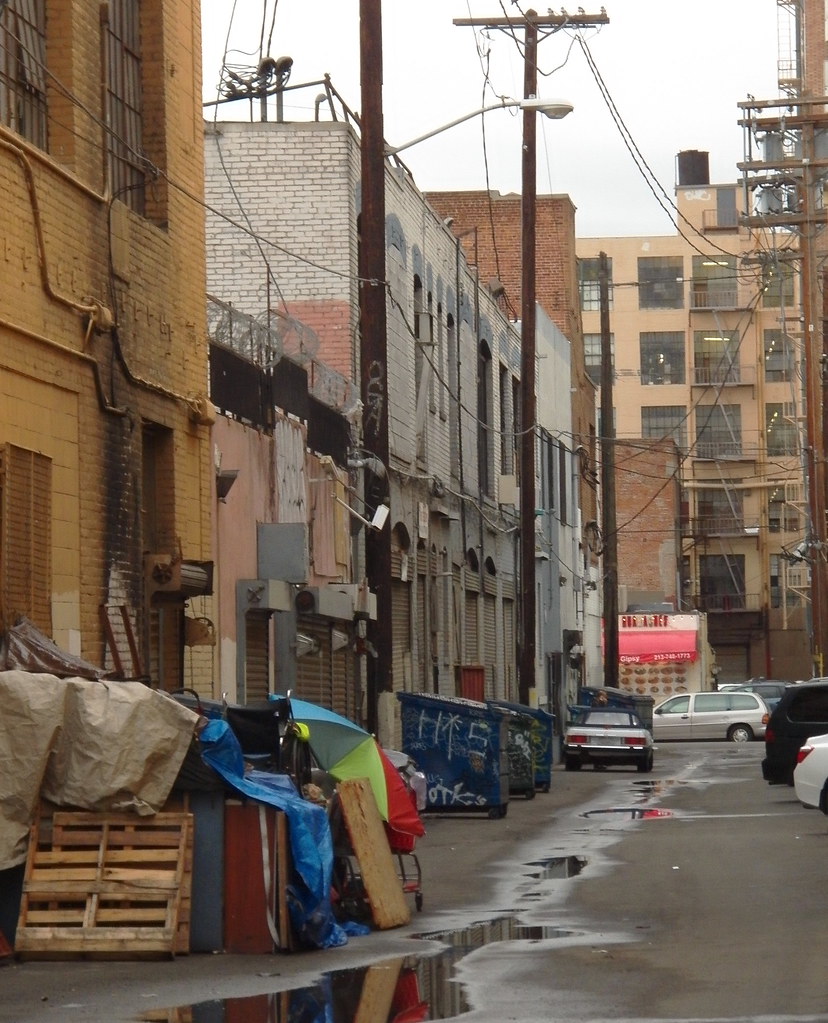
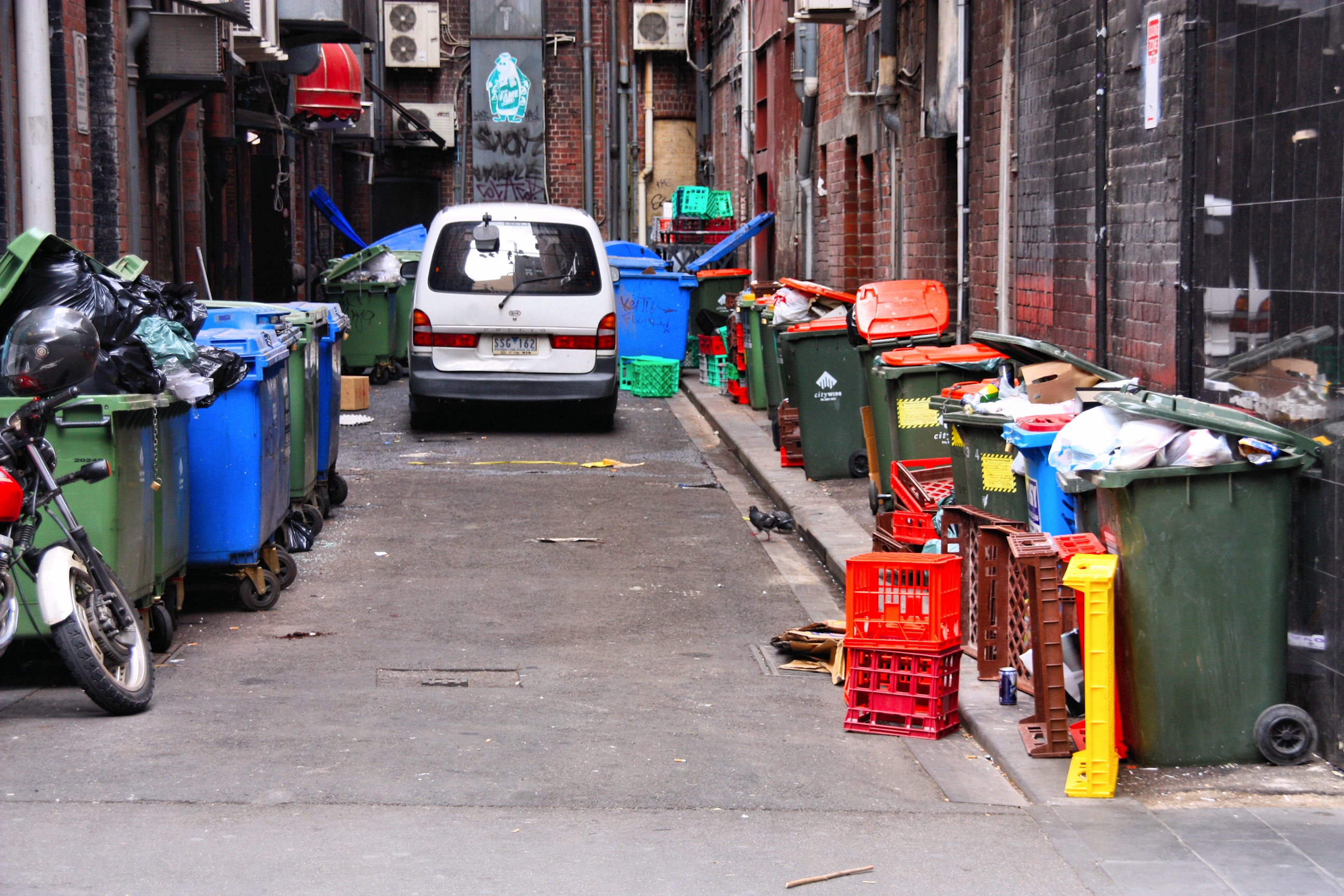
It is after midnight behind a strip of restaurants, and a pickup truck with its headlights off rolls up to a locked green grease container. A man breaks the padlock, drops a hose inside, and pumps a few hundred gallons into a tank in the truck bed. The whole thing takes minutes. By sunrise he has made more money than most night-shift jobs pay in a week7.
That scene, described by California regulators as early as 2011, is the engine behind what has become a genuine interstate crime problem. The oil in question is spent fryer grease, the stuff restaurants used to pay someone to haul away. Once it is skimmed, filtered, and sold on, it becomes "yellow grease," an input for biodiesel, animal feed, and other products8,3,7.

The price curve explains everything. In the early 2000s, yellow grease sold for pennies a pound. By the time California renderers were lobbying for tougher theft penalties, it had climbed past 40 cents a pound, making a single night's haul worth thousands of dollars7. A 2021 report put used cooking oil above $3 a gallon, a commodity the U.S. Department of Agriculture now tracks the way it tracks corn or soybeans2.
The federal Renewable Fuel Standard is the policy engine underneath that price. It created tradable credits, called RINs, for biodiesel and other qualifying fuels, stacking a second revenue stream on top of the physical fuel itself1. Demand for feedstock rose, and used cooking oil — cheap, plentiful, and sitting in unlocked bins behind every fast-food kitchen in the country — became an obvious target1,2.
The clearest demonstration of how organized the theft could get came on June 20, 2019, when federal prosecutors in North Carolina announced indictments against 21 people3,4. The scheme worked like a supply chain: crews in box trucks hit restaurants across ten states, hauled the oil to a warehouse in Durham, and then shipped consolidated loads by tanker trailer to Virginia and beyond for resale as yellow grease4. One defendant, Alvaro Mendez-Flores, was later sentenced in a related case for interstate transport of stolen oil and money laundering9,10.

By 2021, the problem had become visible enough that trade press was writing about it directly. Sumit Majumdar, president of Buffalo Biodiesel, said his company collected from roughly 18,000 restaurants and was seeing clear signs of organized theft rather than opportunistic skimming2. A trader named Kristof Reiter, quoted in the same reporting, traced the black market straight back to biodiesel profits driven by renewable-energy incentives2.
The pattern repeated with more precision in April 2023, when six people were arrested in Monroe County, New York. Search warrants turned up more than 12,000 gallons of stolen oil, valued above $73,000, with records showing it had been sold and shipped to a biodiesel refinery in Erie, Pennsylvania5. Unlike earlier cases that ended at an unnamed broker, this one named the end buyer.
The most sprawling case so far reached from the Midwest outward. A federal investigation described theft rings hitting restaurants in Des Moines, Ames, Coralville, Cedar Rapids, and Cedar Falls, moving oil to warehouses in Iowa, Tennessee, Alabama, Ohio, and Illinois6. Two New York men, Tianzhu Chen and Yong Chen, pleaded guilty in 2026 to racketeering conspiracy and money laundering tied to a network prosecutors said ran from 2020 to 20256. Reporting on the case gives different counts of defendants — one account says 19 people were charged in the broader indictment, another cites different totals — a discrepancy likely explained by amended charges or staggered arrests, though the sources don't resolve it outright6,11.
Why Grease Got Valuable
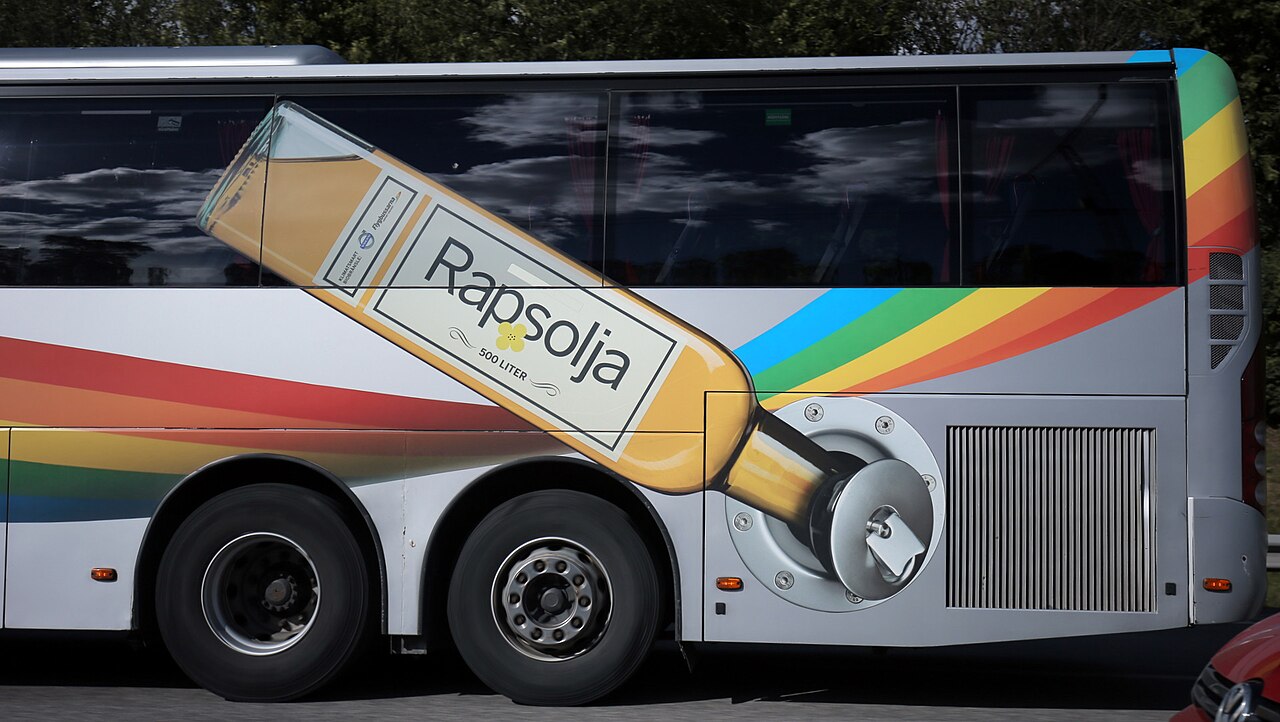
Vegetable-oil fuel is not a new idea. Rudolf Diesel ran an early version of his engine on peanut oil at the 1900 Paris Exposition, and interest in plant-oil fuels has resurfaced every time petroleum gets expensive or scarce12,13.
What changed in the 2000s was policy, not chemistry. The Renewable Fuel Standard and related tax credits made biodiesel and renewable diesel genuinely profitable businesses, and used cooking oil is one of the cheapest feedstocks available because it already exists as a waste product restaurants need to get rid of13,1.
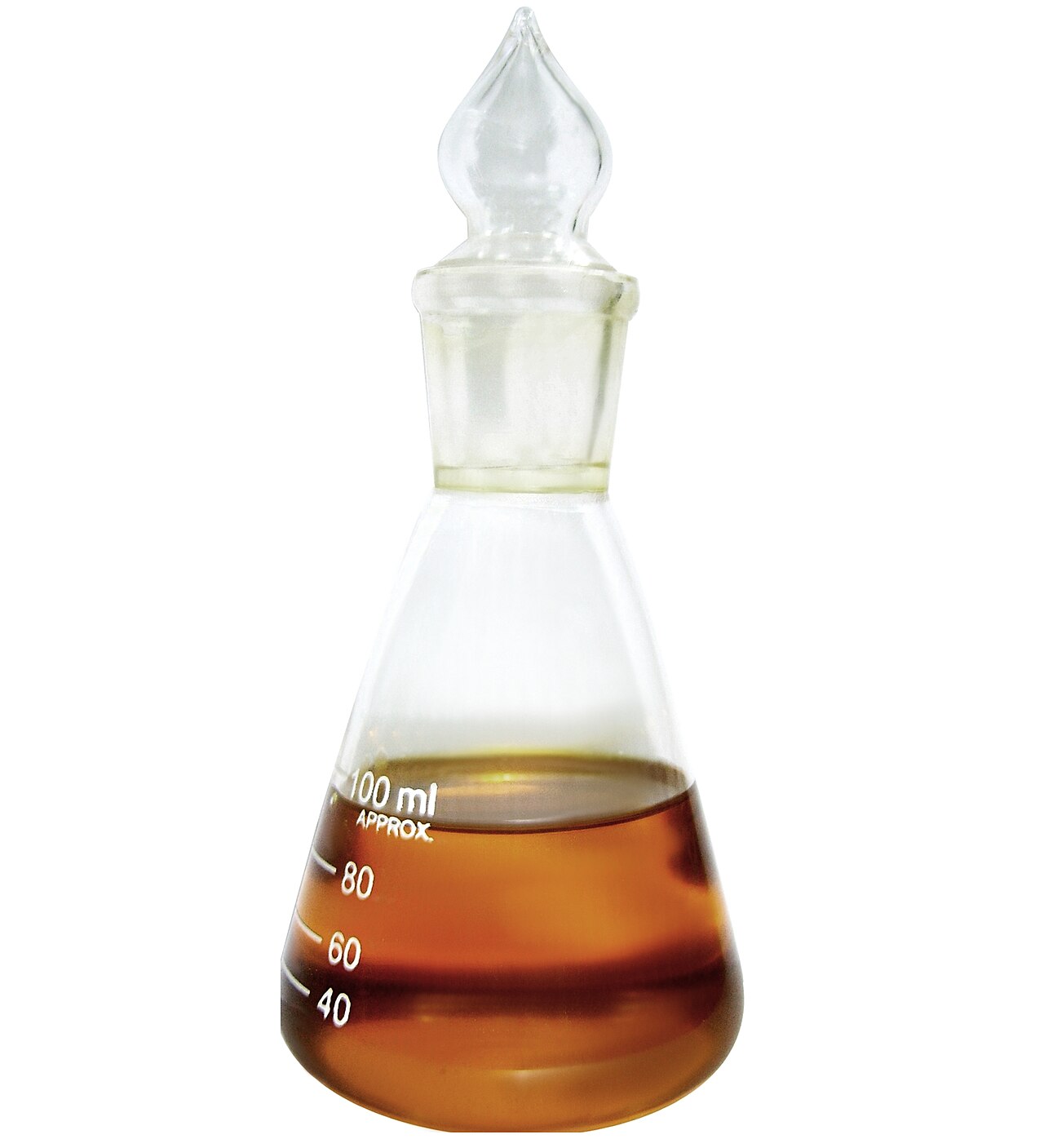
That created an odd economic inversion. For decades restaurants treated grease disposal as a cost. Now legitimate collectors pay restaurants for their used oil, and thieves can undercut that whole relationship simply by showing up first, at night, with a hose1,7.
Who's Who
- National Renderers Association: Industry group that has tracked and publicized grease theft since at least the early 2010s, including lobbying for tougher penalties in California7.
- DAR PRO Solutions / Darling Ingredients: Among the large, legitimate collection and rendering companies that lose contracted volume when restaurant tanks are emptied by thieves.
- Sumit Majumdar: President of Buffalo Biodiesel, which collects from about 18,000 restaurants; has publicly described theft in the industry as organized2.
- Kristof Reiter: Used-cooking-oil trader who attributed the black market directly to biodiesel profits tied to renewable-energy incentives2.
- Jay Ford: General manager at VOCARS, who described Louisville-area thefts as coordinated rather than opportunistic, though his comments are industry observation, not a court finding14.
- Tianzhu Chen and Yong Chen: New York residents who pleaded guilty in 2026 to racketeering conspiracy and money laundering in a multistate case linked to Iowa6.
- Alvaro Mendez-Flores: Sentenced in 2020 for interstate transport of stolen cooking oil and money laundering9,10.
- Federal Bureau of Investigation and Homeland Security Investigations: Federal agencies involved in investigating and prosecuting multistate theft rings, including the 2019 North Carolina case3,4.
By the Numbers
- $45–75 million: Estimated annual U.S. losses from used-cooking-oil theft around 2019, according to the U.S. Attorney's office in the North Carolina case3.
- 21: People indicted in the 2019 multistate Durham, North Carolina warehouse scheme3,4.
- 10 states: Range of the theft operation tied to the Durham warehouse case4.
- 12,000+ gallons: Oil recovered in the 2023 Monroe County, New York case, valued above $73,0005.
- 18,000: Restaurants served by Buffalo Biodiesel, a legitimate collector cited as a victim of organized theft2.
- $3+ per gallon: Market price for used cooking oil cited in 2021 reporting, up from a historical price of pennies per gallon2,7.
What's Still Fuzzy
How much of this is "organized crime" in a formal sense, versus loosely connected crews using the same trucks and brokers, is genuinely unsettled. Collectors and local officials use the term freely, but the available reporting mostly documents repeated, logistically similar theft rather than a single criminal organization running everything2,14.
The scale of nationwide losses is also soft. The $45–75 million figure from 2019 and the comparison to 1980's roughly $75 million a year both come from industry or prosecutorial estimates, not an independent government accounting of total theft3.
Finally, the exact number of defendants in the Iowa-linked multistate case is reported inconsistently — 19 in one account, a different total elsewhere — and the sources available don't explain why, beyond the likelihood of amended indictments or staggered arrests6,11.
Timeline
- 1980Industry estimates put annual U.S. used-cooking-oil theft losses at roughly $75 million3.
- 2019-06-20Federal prosecutors indict 21 people in a multistate scheme routing stolen oil through a Durham, North Carolina warehouse3,4.
- 2020-05-21Alvaro Mendez-Flores is sentenced for interstate transport of stolen cooking oil and money laundering9,10.
- 2021-06Lehigh Valley reporting documents rising thefts and links them to biodiesel profitability2.
- 2023-04Six people are arrested in Monroe County, New York, after over 12,000 gallons of stolen oil are traced to a biodiesel refinery in Erie, Pennsylvania5.
- 2026Tianzhu Chen and Yong Chen plead guilty to racketeering conspiracy and money laundering in a multistate case linked to Iowa6.
Pictures



Sources
- Greasy Practicesambrook.com · 2026
- New York Residents Admit To Stealing Used Cooking Oil From Restaurants in Fraud Conspiracy Spanning 10 Statesnewsbreak.com
- 21 indicted in theft of used cooking oil that fueled black-market criminal enterprise, feds saywral.com · 2019
- 21 indicted in theft of used cooking oil that fueled black-market criminal enterprise, feds saywral.com · 2019
- 连地沟油都偷!19人团伙横扫全美10州 两华男认罪wenxuecity.com
- Soaring profits for fuel made from fryer grease are driving a black market that is targeting Lehigh Valley restaurantsmcall.com
- Ever wanted to learn about kitchen grease theft? - CDFA's Planting Seeds Blogplantingseedsblog.cdfa.ca.gov · 2011
- Criminal conspiracy to steal used cooking oil shows how trash can become treasurectinsider.com
- 13 Indicted in Iowa for RICO Cooking Oil Theft Scheme - WebProNewswebpronews.com
- Mexican Man Sentenced for Interstate Transportation ...justice.gov
- Feedstock Theft & Fraud - Advanced BioFuels USAadvancedbiofuelsusa.info
- Vegetable oil fuelWikipedia
- BiodieselWikipedia
- New York men plead guilty in cooking oil theft scheme tied to Iowayahoo.com
Researched and written by Lorelet from the sources above. It cites as it goes, but it can still get things wrong, so check the sources for anything that matters.
Report a problem
More featured lorelets
See all
Today · Film & TV
Why Nick Jr. Aired the Same Blue's Clues Episode All Week
A preschool show about a cartoon dog and her pawprints became a quiet experiment in how children actually learn from television — and the data said:…

Today · Business
The Terminal: How a Firing Built Wall Street's Addiction
Michael Bloomberg got pushed out of Salomon Brothers with a check for about $10 million. He turned it into a locked-box machine that trading floors s…

Sep 30 · Film & TV
The Pixar Lunch That Conceived Four Animated Classics
In the summer of 1994, four Pixar staffers went to a diner while Toy Story was still finishing up and, over lunch, sketched the outlines of A Bug's L…