
Featured · Nov 3History
When Exeter Hunted Magical Petty-Crime Detectives
In a Devon city that kept hanging witches long after England had lost its taste for it, hiring a cunning man to find your stolen hood could land him in front of the magistrates.
Listen
Read by Wren · 7 min
The Hood That Wasn't There
In 1666, a man named Peter Pitts went looking for a missing hood connected to The Bull Inn, in the St Paul's area of Exeter4,5. He had been told exactly where to look: a cunning man named John Blachett had said the hood was in a neighbor's house5,2. Pitts searched that house. He found nothing5,2.
What happened next turned a missing piece of clothing into a criminal matter. Pitts reported Blachett to an Exeter alderman, and the man who had promised to find the hood now found himself the one being investigated4,5.
Blachett was not an isolated case. In a city without private investigators, anyone who suspected a thief had taken their goods could go to a local service magician and give them a name2. These cunning folk, sometimes called wise men or wise women, offered what people saw as useful magic: finding lost objects, naming suspects, breaking curses, healing the sick3. Most English communities drew a sharp line between this kind of helpful magic and the harmful witchcraft that killed livestock or people, and treated cunning folk accordingly, as a resource rather than a threat3.
Exeter did not draw that line so cleanly. By the 1630s, witchcraft prosecutions had become rare across most of England, as the Crown and senior judges grew skeptical of the old panics2. Exeter kept going. It would go on to host the last witch executions in English history, in the 1680s, and historian Mark Stoyle has traced its prosecutions back over a century, identifying more than twenty people denounced as witches or sorcerers to the city's magistrates between 1558 and 16601,2.

The city's hostility to magical investigation shows up decades before Blachett's case. In 1629, Exeter magistrate Ignatius Jurdain, a man Stoyle describes as possessing "unbending religious zeal," tried to prosecute a widow named Christabel Robyns after she was accused of using witchcraft to locate a missing set of silver spoons and a pewter jug4,5,2. The surviving accounts do not record a full trial transcript or confirm whether the stolen items were ever recovered, but they make the shape of the accusation clear: a woman who had allegedly used magic to help a theft victim became the target of the law herself4,5,2.
The pattern repeated in 1642, with a twist on method. Anne King, described in the records as the wife of a weaver, was hired to track down a stolen purse containing 13 shillings and sixpence4,1,2. Her technique was a sieve balanced on a pair of shears, a divination practice in which the device's movement was supposed to reveal the culprit4,1,2. The purse's fate and the thief's identity are both lost to the record. What survived was King's imprisonment, imposed not for stealing but for the act of magical investigation itself4,1,2.

By the time Blachett stood before the Exeter magistrates in 1666, the city had a well-worn script for this kind of case. The formal accusation did not describe him as a thief or a con man. It described his conduct as:
"certain devilish and hateful arts called in English Witchcraft, Inchantment, Charme and Sorcerie."4,5,2
That language did the real work of the prosecution. It took an unsuccessful attempt to locate a hood and recast it as something close to diabolism, regardless of the fact that Blachett had been trying to help, not harm, his client4,5,2.
And then the case did something Exeter's reputation does not prepare you for: the jury refused to convict him5,2. The surviving reports do not say whether he was formally acquitted, discharged for lack of evidence, or released some other way, only that no conviction followed5,2. A city willing to hang women into the 1680s, when it came to an unproven claim about a hood and a neighbor's empty house, could not make the charge stick.
Pitts never got his hood back, at least not in any surviving account5,2. Blachett walked free of a charge that used the full weight of Exeter's witchcraft language against him. Between those two facts sits the real story of the city's long war on magic: it had the appetite to prosecute, but not always the evidence to convict.
Who's Who
- John Blachett: Cunning man accused in 1666 of using witchcraft to locate a stolen hood; charged but not convicted4,5,2.
- Peter Pitts: Client who hired Blachett to find the hood, then reported him to an Exeter alderman after the search turned up nothing5,2.
- Christabel Robyns: Widow accused in 1629 of using witchcraft to find missing silver spoons and a pewter jug4,5,2.
- Ignatius Jurdain: Exeter magistrate who pursued the prosecution against Robyns, described as a man of "unbending religious zeal"4,2.
- Anne King: Wife of a weaver, imprisoned in 1642 after using a sieve-and-shears divination to try to find a stolen purse4,1,2.
- Mark Stoyle: University of Southampton historian whose research, including the book Witchcraft in Exeter, 1558-1666, documents the city's prosecutions1,2.
Cunning Folk and the Law
Cunning folk were professional or semi-professional magic practitioners found across Britain under many local names: wise men, wise women, pellars, dyn hysbys3. Historian Owen Davies has estimated that, up to the mid nineteenth century, there may have been as many as several thousand working in England at any given time3. Roughly two-thirds of recorded cunning folk were men, though women in the trade were just as commercially successful and found in it one of the few paths to independent standing3.
Most communities distinguished sharply between this kind of practice and malevolent witchcraft, and laws against cunning folk existed without producing anything like the widespread persecution aimed at suspected witches3. That gap is what makes Exeter's record stand out. The city prosecuted service magicians anyway, even when their stated purpose was to help a victim rather than harm one4,2.
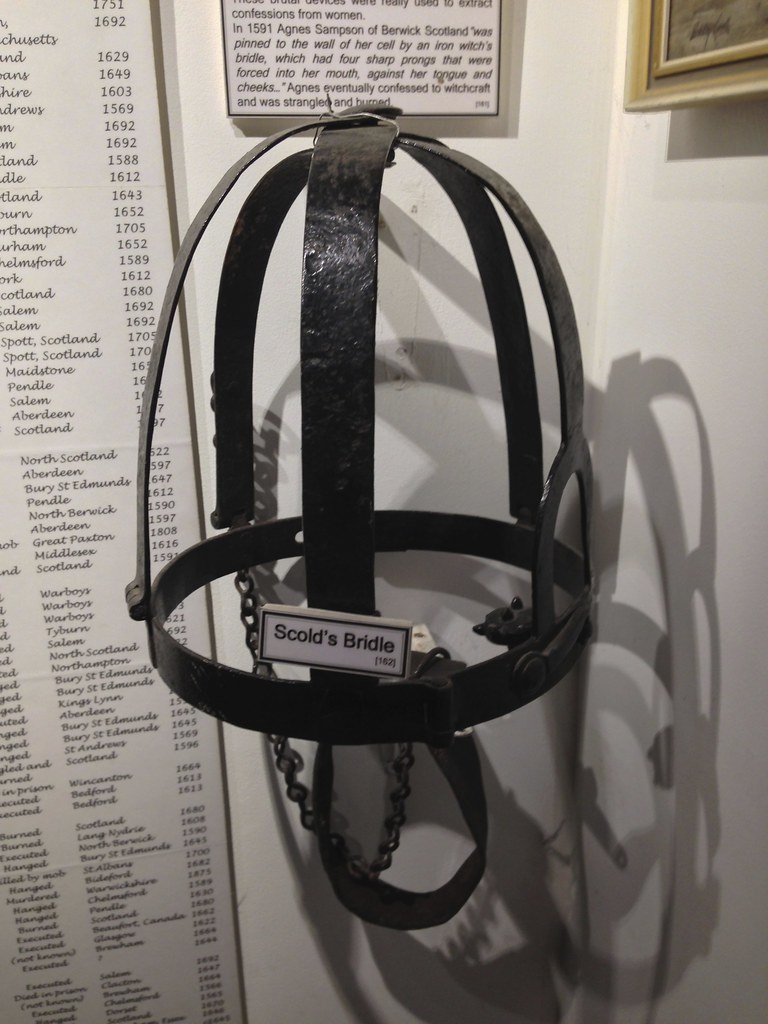
England's broader witch-hunting history peaked during the Civil War and the era of Matthew Hopkins, the self-styled Witch-finder General active in East Anglia between 1645 and 16476. The Witchcraft Act 1735 eventually ended prosecutions nationwide, after judges including Sir John Holt had already largely stopped securing convictions6. Exeter's cases against Robyns, King and Blachett sit squarely in the period when the rest of the country was pulling back.
By the Numbers
- 20+: people denounced as witches or sorcerers before Exeter magistrates between 1558 and 1660, per Mark Stoyle's research1.
- 1609: year Exeter labourer Richard Wilkyns was hanged for allegedly killing and injuring people and livestock by witchcraft1.
- 13 shillings, sixpence: amount in the purse Anne King was hired to help recover in 16424,1,2.
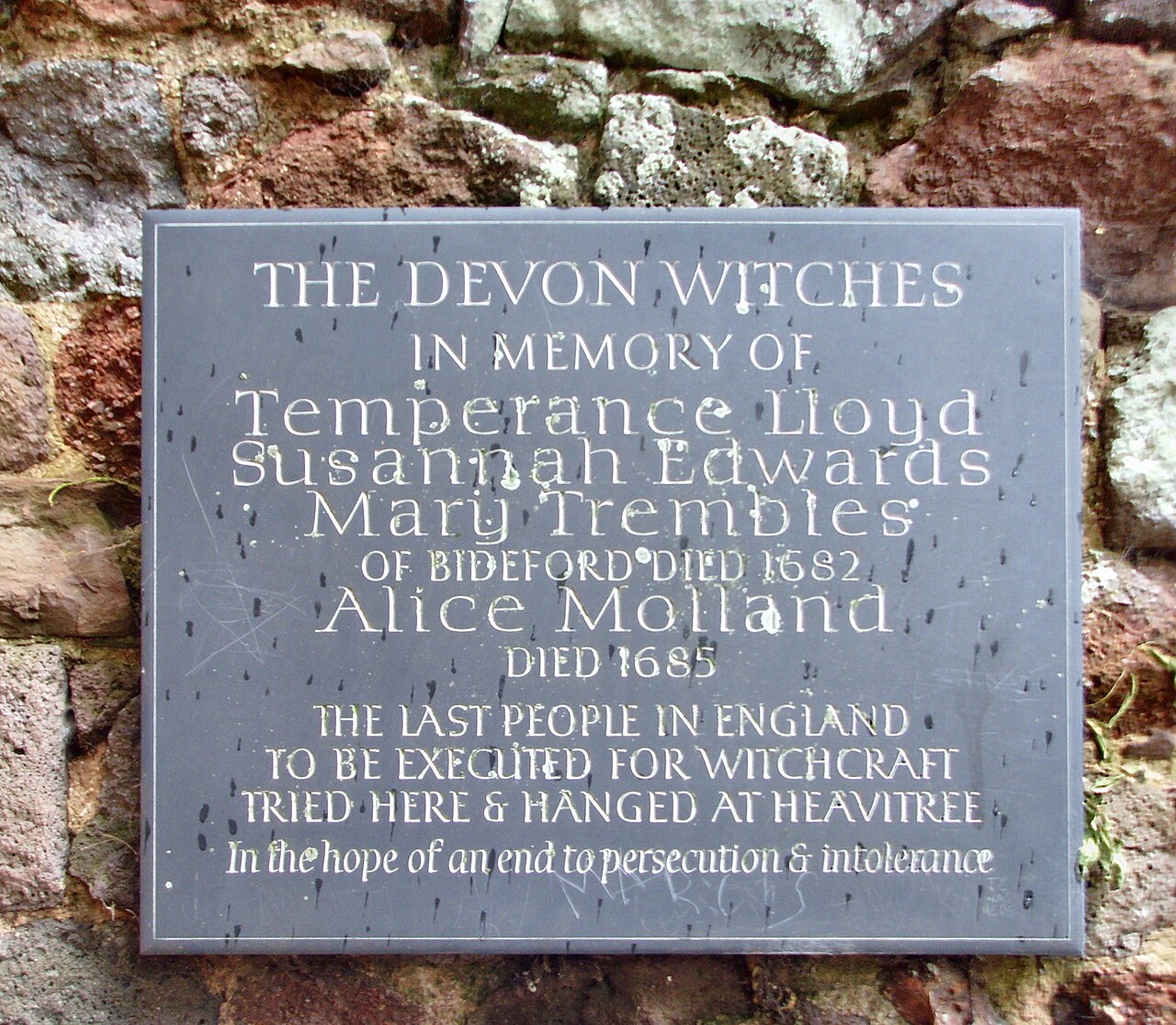
- 1683 and 1685: years of the last confirmed witchcraft executions in England, both tied to Devon cases (Temperance Lloyd, Susannah Edwards, Mary Trembles at Heavitree Gallows, and Alice Molland at the Exeter Assizes)1.
- 1735: year the Witchcraft Act finally ended English witchcraft prosecutions6.
Timeline
- 1609Exeter labourer Richard Wilkyns hanged after conviction for killing and injuring people and livestock through witchcraft1.
- 1629Widow Christabel Robyns accused by magistrate Ignatius Jurdain of using witchcraft to locate missing silver spoons and a pewter jug4,5,2.
- 1642Anne King imprisoned after using a sieve-and-shears divination to try to find a stolen purse4,1,2.
- 1645-1647Matthew Hopkins leads a mass witch-hunt in East Anglia during the English Civil War era6.
- 1666John Blachett charged with witchcraft, enchantment, charm and sorcery after failing to locate a missing hood for client Peter Pitts; jury does not convict4,5,2.
- 1683Temperance Lloyd, Susannah Edwards and Mary Trembles hanged at Heavitree Gallows, among the last witch executions in England1.
- 1685Alice Molland sentenced to death at the Exeter Assizes1.
- 1735Witchcraft Act ends witchcraft prosecutions in England6.
Pictures

Sources
- English city gripped by dread of witchcraft for over a century | University of Southamptonsouthampton.ac.uk
- As Most of England Relaxed Its Stance on Witchcraft, One Hardline City Bucked the Trend. It Even Went After 'Service Magicians,' Who Used Magic to Investigate Petty CrimesSmithsonian Magazine · 2026
- Cunning folk in BritainWikipedia
- 17th-century sleuths in the dock for witchcraft and wizardryphys.org
- Magical sleuths battled with law over witch claimsBBC
- Witch trials in EnglandWikipedia
Researched and written by Lorelet from the sources above. It cites as it goes, but it can still get things wrong, so check the sources for anything that matters.
Report a problem
More featured lorelets
See all
Today · Food
The Turkey Surplus That Became the TV Dinner
A company drowning in frozen birds found an answer on an airline food cart, or so the story goes for fifty years.

Today · Space
Why Is Jupiter's Great Red Spot Actually Red?
Jupiter is built almost entirely of colorless gas, yet its most famous storm glows orange-red. Scientists have spent decades in the lab trying to fig…

Today · Art & Design
The Aztec Labret Whose Golden Tongue Still Moves
A small gold serpent made for a pierced lip somehow ended up with a tongue that flicks side to side. No one alive has ever seen it worn.