Featured · TodayTechnology
The Maker Who Rebuilt a Cray-1 Out of 30 Mac Minis
A museum in rural Spain spent 18 months building a full-scale Cray-1 replica, then stuffed it with 30 castoff 2012 Mac minis and made the thing actually compute.
Listen
Read by Wren · 7 min
A Loveseat Full of Secondhand Macs
In a converted warehouse in Majadas de Tiétar, a small town in Cáceres, Extremadura, a museum spent a year and a half building something that looks exactly like one of the most famous computers ever made and runs on hardware you could once find in a university surplus bin3,5.
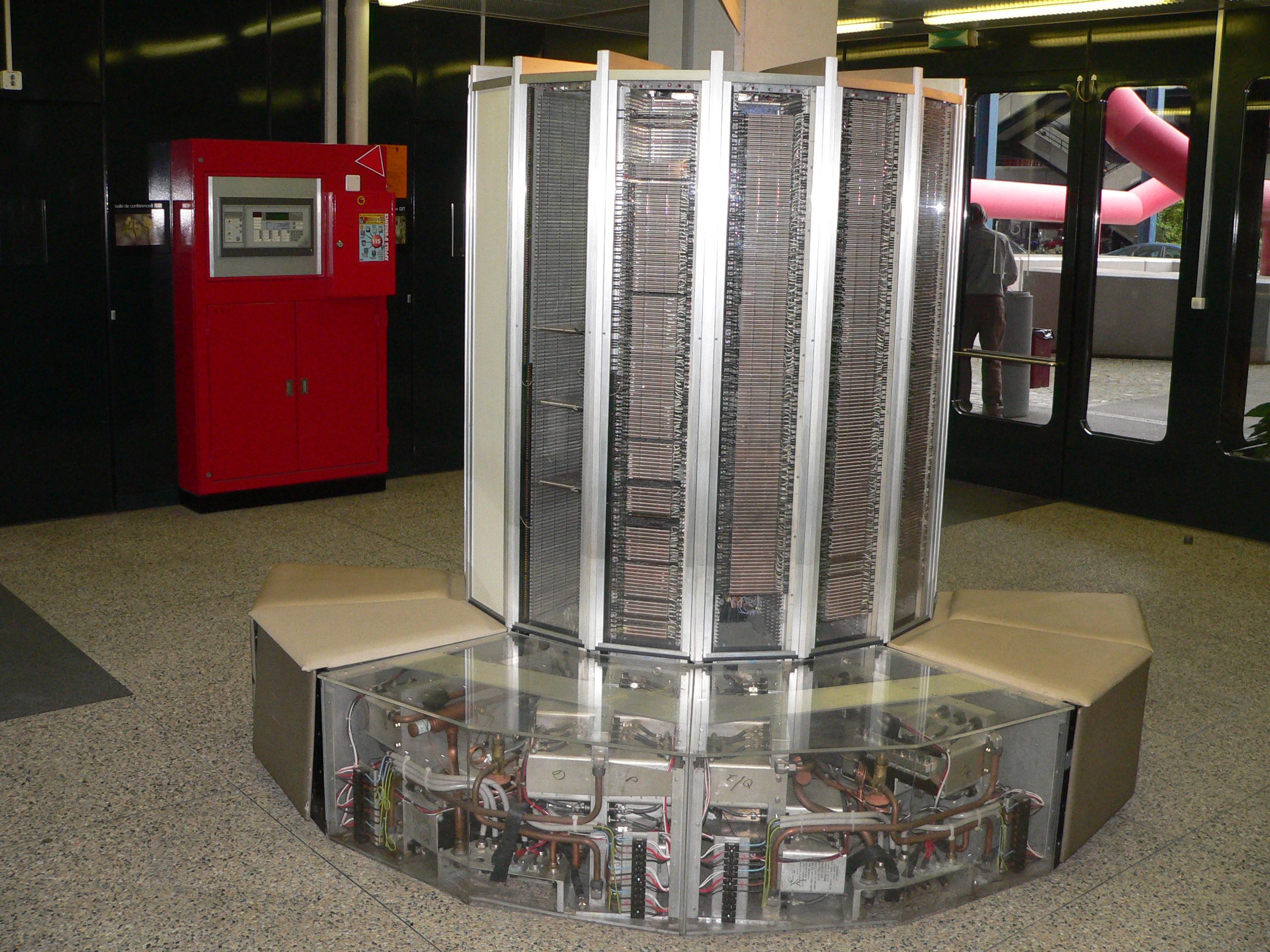
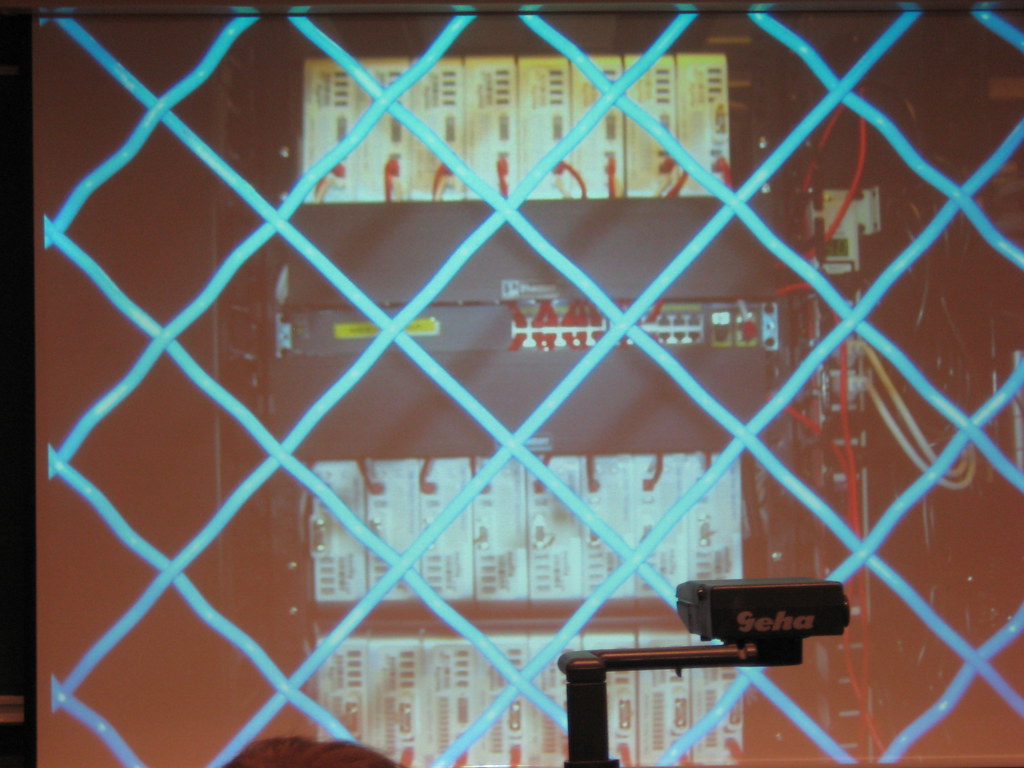
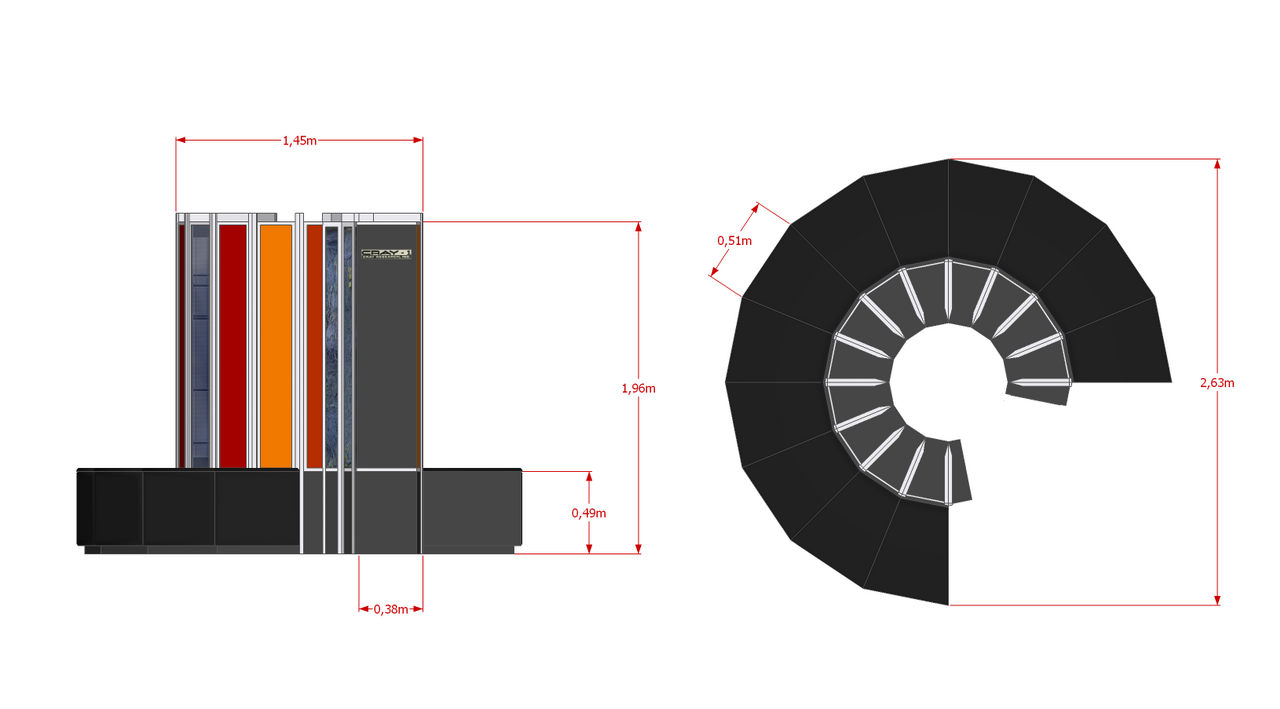
The Museo de Historia de la Computación built a full-scale, 1:1 visual replica of the Cray-1, the 1976 supercomputer whose curved, bench-wrapped silhouette made it instantly recognizable even to people who have never touched a terminal1,2,7. But instead of leaving it as a static shell, the museum's team opened up the tower and packed it with 30 Mac minis dating to 20121,5,2,3.

Those minis are not decoration. They are wired together into a working cluster: five quad-core Intel Core i7 models and 25 dual-core Intel Core i5 models, 64 active cores in total, running macOS Mojave (10.14) and coordinating work through MPI, the Message Passing Interface that lets separate machines split up a calculation1,4,5. Visitors can watch the system run matrix calculations and see the jump from a single core grinding away to the full cluster working in parallel5.
The reported performance numbers wobble a bit depending on which outlet you read. Ars Technica and several syndicated reports cite about 1.3 teraflops in the most recent tests, while Spanish outlets Regional Digital and Qué.es give 1.5 teraflops, a figure also echoed on Menéame1,4,5,2,9. Nobody explains the gap outright, though Ars Technica notes the museum previously reached 1.5 teraflops using 70 cores before one node dropped offline, which may account for some of the discrepancy1. Either way, it dwarfs the original Cray-1's roughly 160 megaflops peak, a reminder of how far consumer silicon has come since 19761,5.
Why the Cray-1 Looked Like a Bench
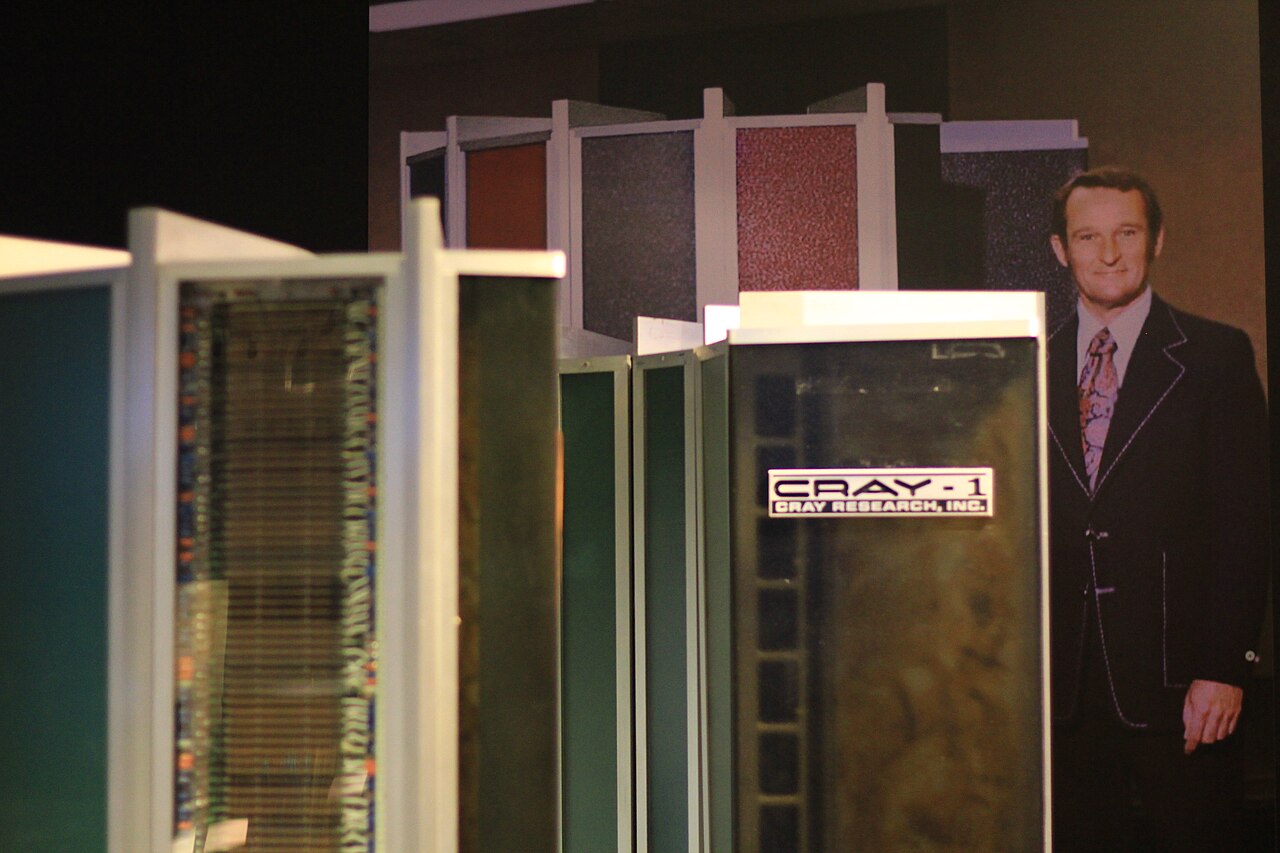
The Cray-1, announced in 1975 and installed at Los Alamos National Laboratory in 1976, was designed by Seymour Cray and became the first supercomputer to successfully implement vector processing, applying a single instruction across whole sets of data instead of looping through them one at a time6. Cray Research eventually sold more than 80 of them, and the machine made Seymour Cray something of a celebrity in an industry that rarely produced any6,10.
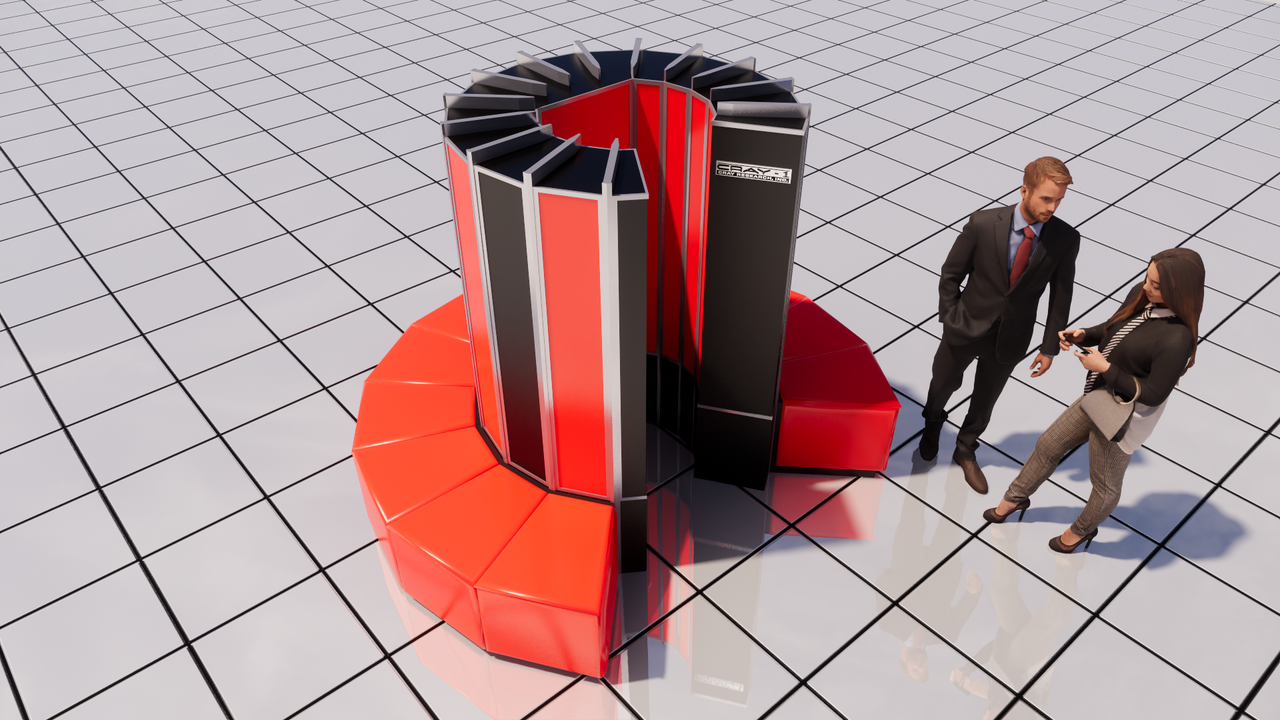
The shape was not an industrial designer's flourish. The central tower kept wiring between processing and memory elements as short as possible, since shorter wires mean faster signals, and the circular bench around it hid the power supplies and the Freon-based cooling system6,7,8. The Computer History Museum's own account calls it "the world's most expensive loveseat," a joke that stuck because the bench really was functional seating sitting on top of a refrigeration unit8.
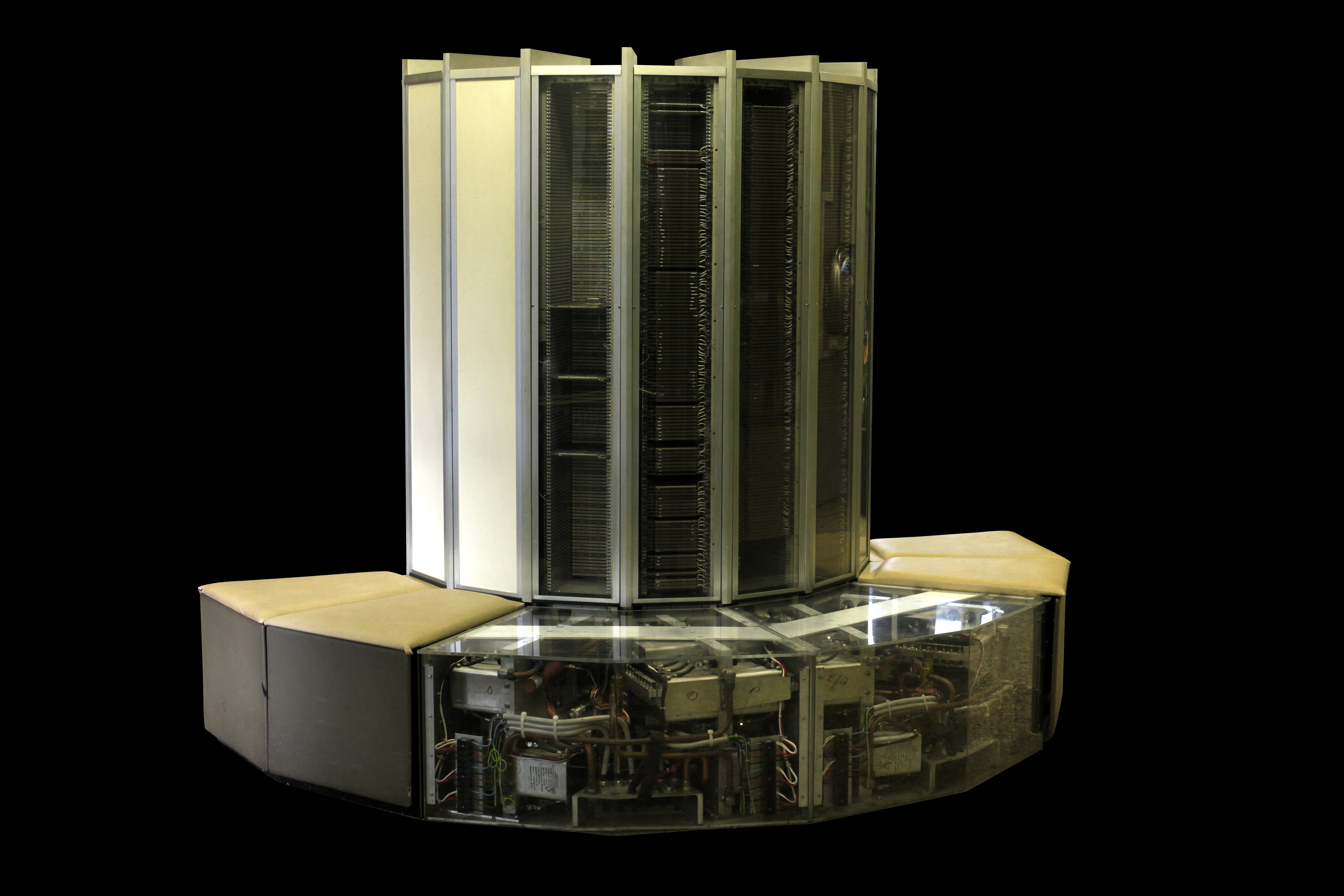
The machine was wired almost entirely by hand, and running it cost roughly $100,000 a month in service and electricity, according to the Computer History Museum8. That context matters for the replica: the Spanish team wasn't just copying a cool-looking box, they were recreating an object whose every curve was an engineering decision.
Who's Who
- Seymour Cray: Engineer who designed the original Cray-1 after leaving Control Data Corporation; his priority was minimizing signal distance by keeping the machine compact and curved6,10,11.
- Museo de Historia de la Computación: The Spanish museum in Majadas de Tiétar, Cáceres, that built and operates the replica and its Mac mini cluster1,2,3.
- Carlos Izquierdo: Described in Spanish coverage as the museum's director, who was reportedly set to present the project at a Turin computing museum event in October 20262.
- Computer History Museum: U.S. institution whose archival materials document the original Cray-1's design, wiring, and cooling7,8.
- The museum's build team: Referred to by Ars Technica as the people who assembled and ran the cluster, though none are named individually in the available reporting1.
By the Numbers
- 1976: year the original Cray-1 was introduced and installed at Los Alamos6,5.
- 160 megaflops: the original Cray-1's peak theoretical performance1,5.
- 18+ months: time the Spanish museum spent building the replica5,3.
- 30: Mac minis inside the replica, mostly from 20121,5,2,3.
- 64: active CPU cores in the cluster (5 quad-core i7 units, 25 dual-core i5 units)4,5.
- 1.3 to 1.5 teraflops: reported aggregate cluster performance, depending on the source and test run1,4,5,2,9.
- 30 to 33 decibels: the loudest part of the replica, coming from two Ethernet switches, since the Mac minis are cooled passively1.
What's Fuzzy Here
The teraflop figure is the clearest open question. Ars Technica's October 9 report settles on about 1.3 teraflops from the most recent tests, but mentions the museum previously hit 1.5 teraflops with 70 cores before a node failed, while separate Spanish coverage simply states 1.5 teraflops without that caveat1,2,9. It is not clear from the available reporting whether these are different benchmark runs, different core counts, or just inconsistent rounding across translations.
The "50th anniversary" framing is also murkier than it first appears. Ars Technica and a Chinese tech outlet both describe the project as a joint 50th-anniversary tribute to the Cray-1 and to Apple's founding, since both trace to 19761,5. The Cray-1 anniversary checks out against its documented 1976 debut, but nothing in the Spanish museum's own public statements, as reported, confirms that honoring Apple's anniversary was an original goal rather than a tidy narrative added by later coverage.
Finally, no source in the available reporting names the individual engineers who built the shell or sourced the 30 Mac minis, so the people actually responsible for the hands-on work remain uncredited outside the museum itself1,3.
Timeline
- 1975-1976The original Cray-1 is announced and installed at Los Alamos National Laboratory6.
- roughly 2024-2026The Museo de Historia de la Computación spends more than 18 months building the full-scale replica5,3.
- 2026-09-26The museum publicly presents the finished Cray-1 replica and its Mac mini cluster in Majadas de Tiétar2.
- 2026-10-09Ars Technica publishes international coverage of the project, reporting a 1.3 teraflop benchmark1.
- 2026-10-10Chinese and other international outlets pick up the story, repeating the 18-month build timeline and hardware specs5,12.
Pictures


Sources
- A Cray-1 supercomputer replica from 30 "obsolete" Mac MinisArs Technica · 2026
- El Cray-1 más famoso de los 70 revive en Extremadura con 30 Mac mini y funciona de verdadque.es · 2026
- El Supercomputador Cray-1 vuelve a la vida en Majadas de Tiétar (Cáceres)regiondigital.com
- В Іспанії створили репліку Cray-1 із 30 застарілих Mac miniukr.net · 2026
- 西班牙博物馆历时 18 个月用 30 台 2012 款苹果 Mac mini 打造 Cray-1 超算视觉复制品finance.sina.com.cn · 2026
- Cray-1Wikipedia
- The Cray-1 Supercomputer - CHM Revolutioncomputerhistory.org
- CHM: Computer History Online Exhibitscs.kent.edu
- Un Cray-1 vuelve a la vida en Extremadura gracias a 30 Mac Minimeneame.net
- Seymour CrayWikipedia
- The supercomputer that started it all: Honoring Cray-1 on ...hpe.com
- 西班牙博物馆用30台2012款Mac mini打造Cray-1视觉复制品finance.sina.com.cn
Researched and written by Lorelet from the sources above. It cites as it goes, but it can still get things wrong, so check the sources for anything that matters.
Report a problem
More featured lorelets
See all
Today · Technology
Watching the Watchers: A DIY Camera That Hunted Cops
A Canadian YouTuber built a homemade license-plate reader modeled on police surveillance tech, then pointed it at the police themselves. The officers…

Today · Science
Jonathan the Tortoise and the Secrets in His Shell
A Seychelles giant tortoise who may have hatched before Queen Victoria took the throne is now letting scientists read his DNA for clues about cancer…

Oct 9 · Film & TV
The Lost Interactive Art of 2000s DVD Menus
For about a decade, before streaming flattened everything into a thumbnail grid, the humble DVD menu was a playground for designers, who turned a sim…