
Featured · TodayFilm & TV
An Unearthly Child's Narrow Escape from the News
A new BBC science fiction serial went out the day after the Kennedy assassination, to an audience distracted and half the country watching something else entirely.

Listen
Read by Wren · 7 min
Eighty Seconds Late
The first episode of Doctor Who was due on BBC Television at 5.15 p.m. on Saturday 23 November 19631,2. It actually began at 5:16:20 p.m., delayed by about 80 seconds because of announcements concerning the assassination of President John F. Kennedy, who had been shot in Dallas the previous afternoon1,2. The episode itself ran about 23 minutes, introducing a strange old man, his granddaughter, and a police box that was bigger inside than out1,2.
Britain's television schedules had been upended for a day by news out of Dallas, and the country that tuned in to meet the Doctor had spent the previous twenty-four hours absorbing a different, much larger story3.
The idea for the show had come out of a scheduling problem, not a creative vision in search of an outlet. In March 1963, BBC Controller of Programmes Donald Baverstock told Head of Drama Sydney Newman about a gap on Saturday evenings between the sports program Grandstand and the pop show Juke Box Jury, one that needed to hold three different audiences at once: children, teenagers, and sports fans winding down for the night1. Newman decided science fiction could do it, and the result, after months of development by writers including C.E. Webber, Donald Wilson, and Anthony Coburn, was a time-and-space machine disguised as an ordinary blue police box1,2.

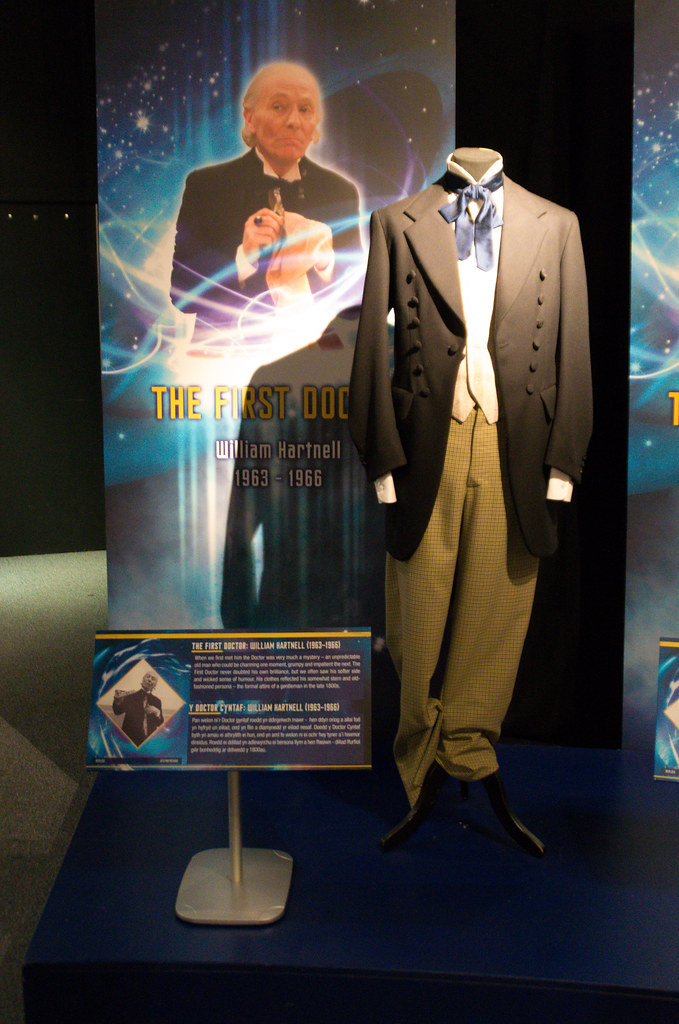
The production fell to Verity Lambert, the BBC drama department's first female producer, working with story editor David Whitaker and director Waris Hussein1. William Hartnell, who had turned down several other older actors before him, was invited to play the Doctor after Lambert and Hussein sought him out directly; Hartnell saw it as a chance to redirect his career1. Carole Ann Ford played his granddaughter Susan, with William Russell and Jacqueline Hill as the schoolteachers Ian Chesterton and Barbara Wright who follow her home to a junkyard at 76 Totter's Lane1,2.
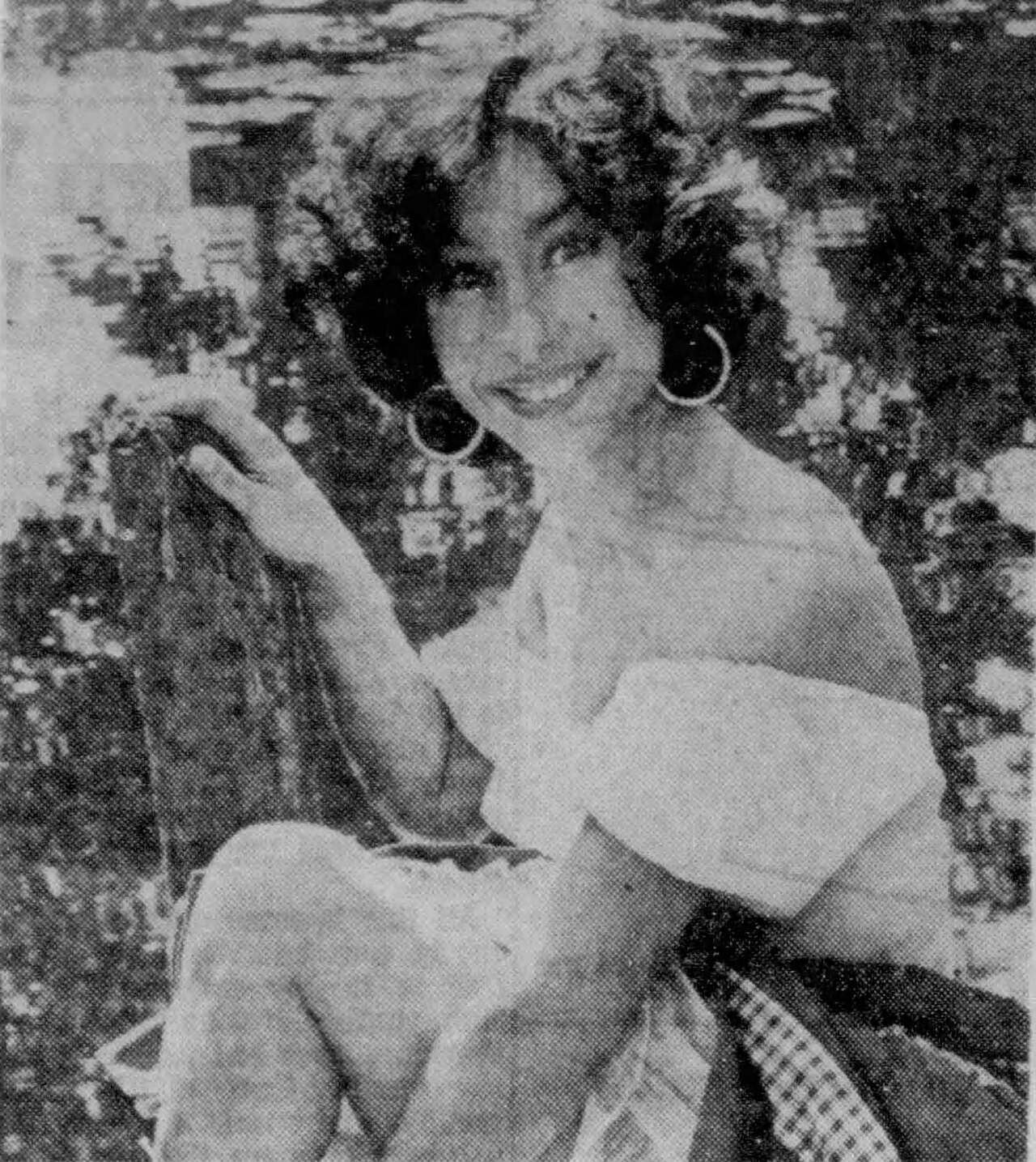
That first episode, 'An Unearthly Child,' shows Ian and Barbara discovering the Doctor and the impossible scale of his machine, then being swept against their will into the past as the episode ends on a prehistoric landscape and a watching figure1. It is a tightly constructed piece of television, but almost nobody was watching it properly. The broadcast reached about 4.4 million viewers, roughly 9.1% of the viewing audience, and scored only 63 on the BBC's Appreciation Index1,4. Accounts point to more than one cause: the Kennedy coverage dominating attention, power blackouts affecting parts of the country, and competition from ITV's own science fiction serial, Emerald Soup5,6.
What actually saved the series from fading on arrival was not one person's intervention so much as an internal process. On Wednesday 27 November, the BBC's Programme Review Board formally decided to repeat the first episode before airing the second5. Lambert is widely credited with fighting for the show's survival, and the surviving accounts describe her as determined to protect the launch, but no retrieved source produces a transcript of her making that case to BBC executives; the documented decision belongs to the Review Board5,7. The oft-repeated claim that Kennedy coverage pushed the premiere back by ten minutes is also an exaggeration: the real delay, as recorded in BBC paperwork, was about 80 seconds2.
The repeat went out at about 5:05 p.m. on 30 November, immediately ahead of the second episode, 'The Cave of Skulls'8,6. It reached close to 6 million viewers, and the series kept climbing from there: 5.9 million for episode two, 6.9 million for episode three, 6.4 million for the finale1. Those eighty seconds of delay on 23 November turned out to be the least of what nearly buried the show. What actually mattered was whether the BBC would give a confused, distracted audience a second look, and it did.
The Ratings Climb
- 4.4 million: viewers for the first broadcast of 'An Unearthly Child' on 23 November 1963, about 9.1% of the viewing audience1
- 63: the episode's score on the BBC's Appreciation Index1
- ~6 million: viewers for the repeat broadcast on 30 November1,8
- 5.9 / 6.9 / 6.4 million: viewers for episodes two, three, and four of the serial1
- 80 seconds: the actual broadcast delay caused by Kennedy assassination announcements, not the ten minutes often cited2
- £2,300: the BBC's budget per episode, with an extra £500 for building the TARDIS1
Who Was Who
- William Hartnell: played the First Doctor, having turned down several other actors for the role before him; took the part as a career pivot1
- Verity Lambert: the BBC's first female drama producer, put in charge of the series and widely credited with championing its survival1,7
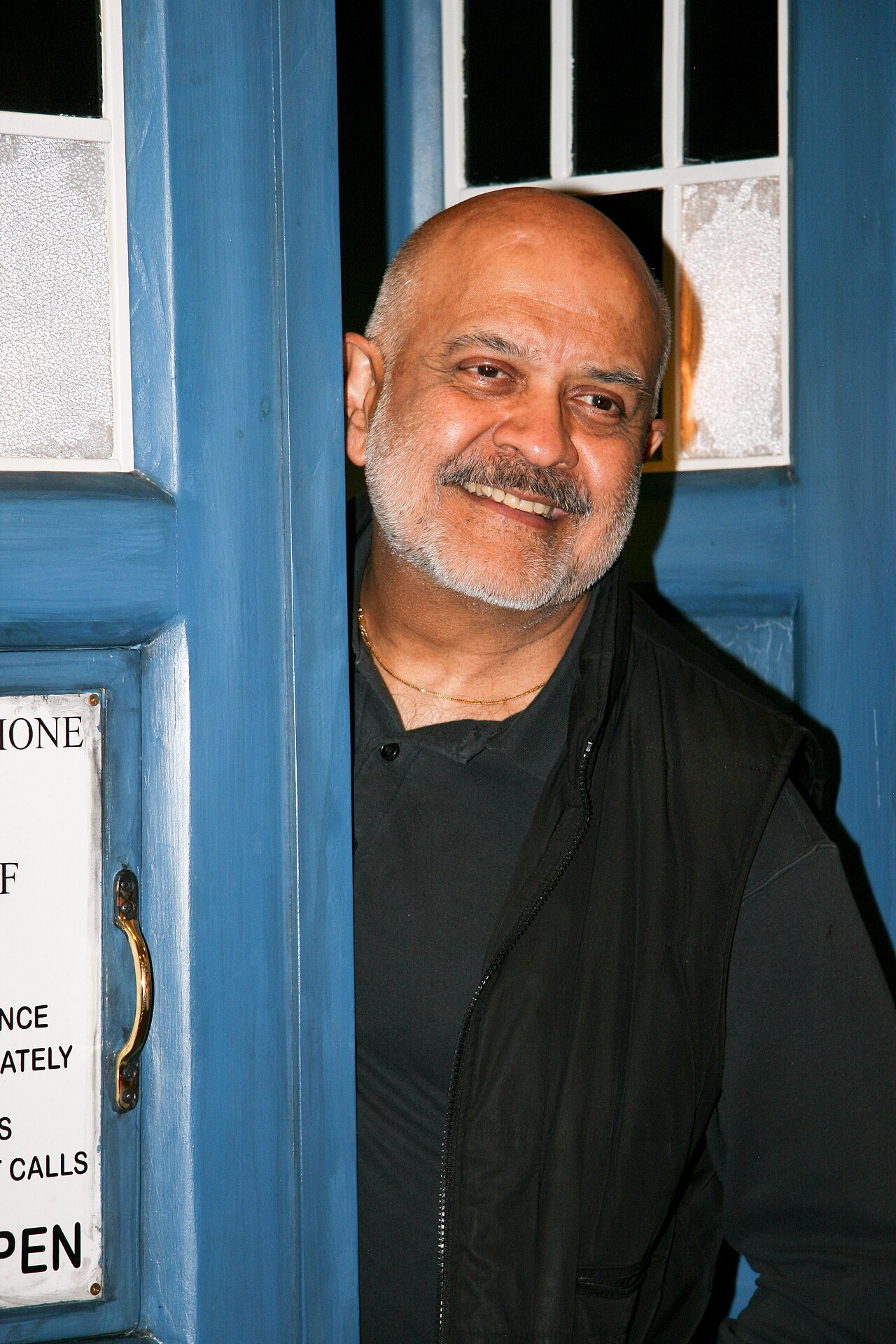
- Waris Hussein: director of the first serial1
- Carole Ann Ford: played Susan Foreman, the Doctor's granddaughter1
- William Russell and Jacqueline Hill: played schoolteachers Ian Chesterton and Barbara Wright, whose investigation of their pupil Susan drives the opening episode1
- Anthony Coburn: credited writer of the first episode, 'An Unearthly Child'1
- John F. Kennedy: U.S. president assassinated in Dallas on 22 November 1963, the day before the series premiered1,4
What the Legend Gets Wrong
The familiar version of this story, that Doctor Who's launch was nearly erased by the Kennedy assassination and single-handedly rescued by Verity Lambert, simplifies what actually happened.
The first episode was never pulled from the schedule. It aired at its intended slot, just about 80 seconds late because of assassination announcements, not the ten minutes some retellings claim2. It also was not completely overlooked: 4.4 million people did watch it, even if that was a soft start by the standards of what followed1.
The decision to repeat the episode is also often framed as Lambert's personal victory over BBC skepticism. The repeat was in fact approved formally by the BBC's Programme Review Board on 27 November5. Lambert's advocacy for the show is well documented in retrospective profiles, but no source here supplies a verbatim account of her persuading executives directly; her role and the Board's decision are both real, and not quite the same story5,7.
Timeline
- 1963-03Sydney Newman is told of a Saturday scheduling gap and decides to fill it with science fiction.
- 1963-11-22President John F. Kennedy is assassinated in Dallas.
- 1963-11-23Doctor Who premieres with 'An Unearthly Child,' airing about 80 seconds late; 4.4 million watch.
- 1963-11-27The BBC's Programme Review Board decides to repeat the first episode.
- 1963-11-30The repeat airs before episode two, 'The Cave of Skulls'; about 6 million watch.
- 1963-12-14The serial concludes with 'The Firemaker.'
Pictures




Sources
- An Unearthly ChildWikipedia
- Doctor Who - WikipediaWikipedia
- Breaking news - November 1963BBC
- The Fandom of Doctor WhoBBC · 2023
- An Unearthly Childdoctorwhoworlduk.com
- THE DIARY OF Doctor Whopocketmags.com
- Regeneration game: A look back at every new Doctor Who from 1963 to the presentnewstatesman.com · 2018
- An Unearthly Child ::: William Hartnellmentalis.co.uk
Researched and written by Lorelet from the sources above. It cites as it goes, but it can still get things wrong, so check the sources for anything that matters.
Report a problem
More featured lorelets
See all
Today · History
Boss Tweed's Downfall: Caught by His Own Caricature
A New York political boss fled across an ocean under a false name. Something about him was impossible to hide.

Today · History
The Night the Explorer Went Down in Antarctica
A tourist ship built for polar ice spent decades proving it could handle Antarctica, until one night in the Bransfield Strait it couldn't.

Nov 22 · Food
The Turkey Surplus That Became the TV Dinner
A company drowning in frozen birds found an answer on an airline food cart, or so the story goes for fifty years.