
Featured · TodayHistory
The Night the Explorer Went Down in Antarctica
A tourist ship built for polar ice spent decades proving it could handle Antarctica, until one night in the Bransfield Strait it couldn't.

Listen
Read by Wren · 7 min
Water in the Hold
At 00:34 local Chilean time on 23 November 2007, the Maritime Telecommunications Centre in Valparaíso received a mayday call from the MS Explorer2. The ship reported it had collided with ice and was taking on water2. It was the kind of call that maritime centers dread most: a vessel full of tourists, alone in the dark, somewhere in the Bransfield Strait between the Antarctic Peninsula and the South Shetland Islands.
The Explorer was not supposed to be vulnerable to ice. It was the first ship purpose-built for Antarctic tourism, constructed in Finland in 1969 and nicknamed the 'Little Red Ship' by the people who loved it6. It had already made history once, becoming the first passenger vessel to navigate the Northwest Passage in 1984, and had spent decades proving that small, ice-strengthened ships could take ordinary travelers somewhere ordinary ships couldn't go6,7. That night, something had already gone wrong hours before the mayday reached Valparaíso.
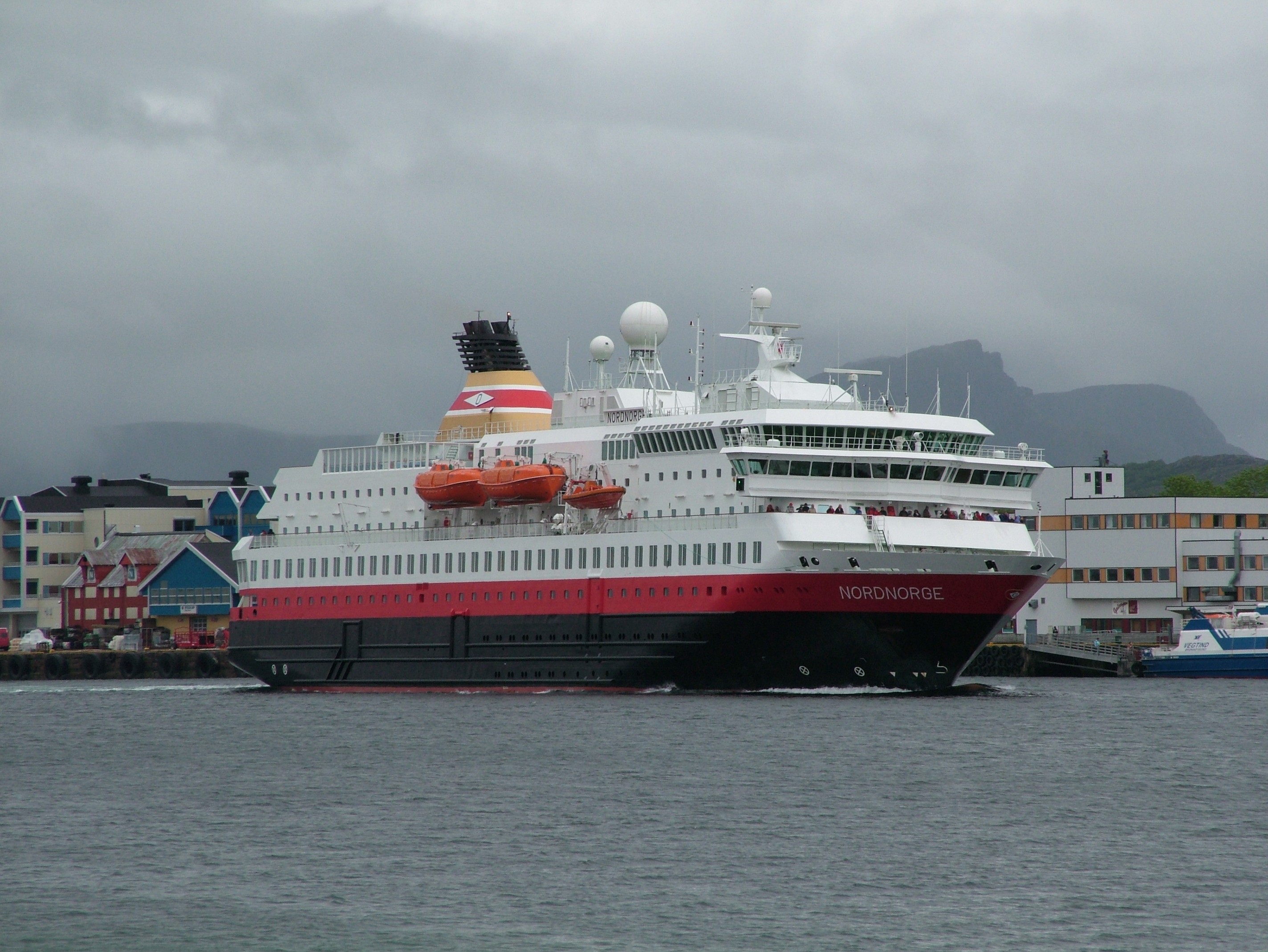
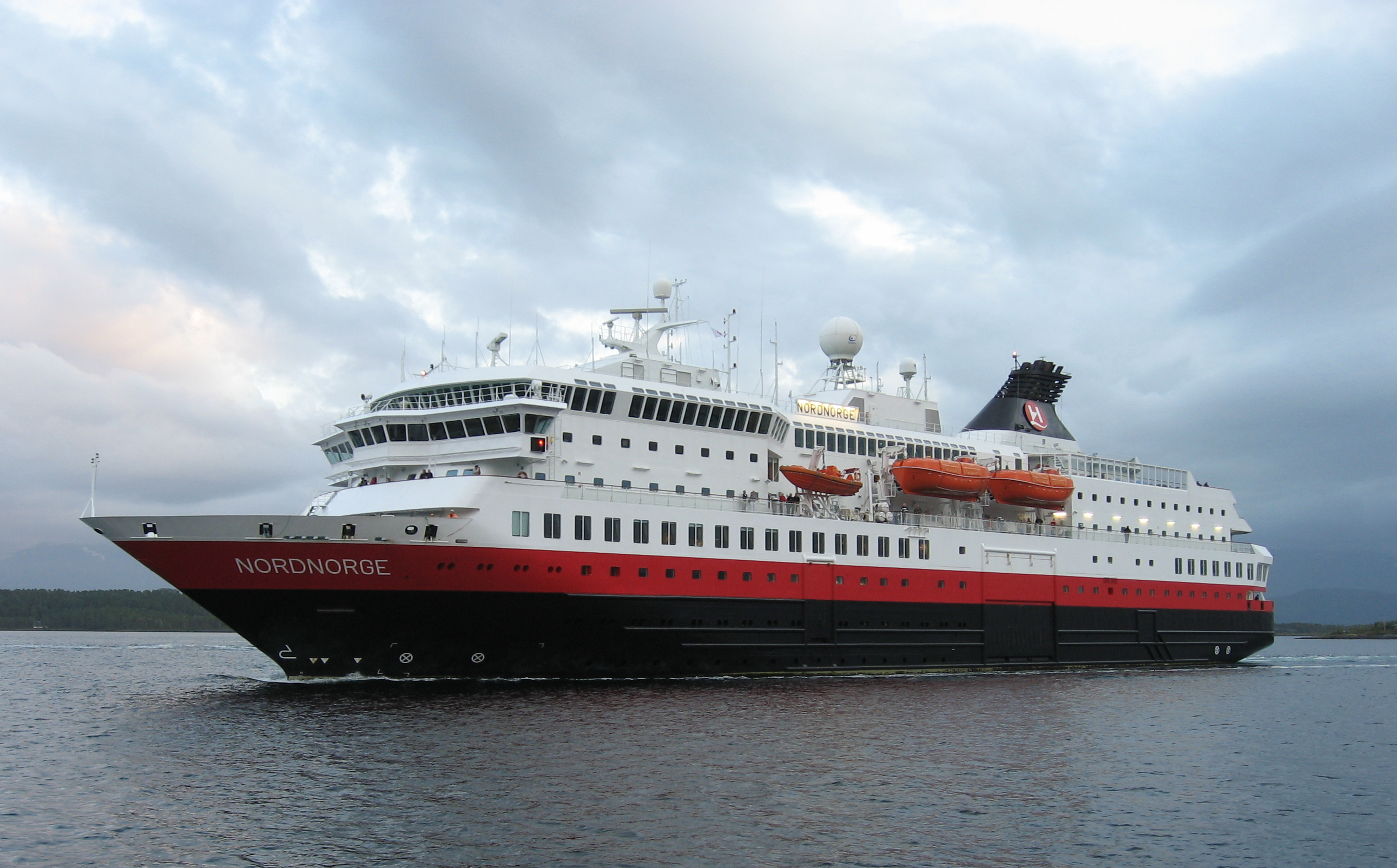
The voyage was an 18-day round trip out of Ushuaia, Argentina, carrying 100 passengers and 54 crew under Canadian operator G.A.P. Adventures1. For the ship's captain, Bengt Wiman, it was reportedly his first Antarctic cruise in command5. Waiting elsewhere in the Southern Ocean, unaware he would soon be the central figure in a rescue, was Captain Arnvid Hansen of the Norwegian ship MS Nordnorge4.
The trouble began the evening before, on 22 November, when Explorer entered an ice field in the Bransfield Strait. Wiman judged the ice to be 'first-year ice,' young and thin enough for the ship to pass through safely1. A Chilean naval icebreaker that later inspected the area found the field actually contained older, thicker ice and glacial fragments, some with underwater projections, or 'rams,' extending as much as 45 feet below the surface5.
Around midnight, Explorer struck what witnesses and investigators called a 'wall of ice'1,5. The impact tore puncture and slicing damage along more than 11 feet of hull5. Flooding should have been contained to one section, but the official investigation found that a watertight door failed to function as intended, and water spread through the ship5.
The investigation's later conclusion, issued by Liberia as the ship's flag state, placed the blame squarely on judgment rather than bad luck. It found that Wiman had 'transited the ice field with an overconfident attitude regarding the capabilities of the Explorer and, in all likelihood, struck the "wall of ice" at a rate of speed that was excessive'5. A contemporary summary of the report put it more simply: 'the primary reason for the casualty was a mistaken interpretation by the vessel's master of the nature of the ice he was entering'1. This had not been a collision with a towering, unmissable iceberg in open water. It was a ship sailing, by its own captain's estimation, through ice it should have been able to handle.
With water rising, the crew launched eight semi-rigid lifeboats and four life rafts, and passengers boarded wearing survival suits and life jackets3. Passenger Gillian Plant later described the mood shifting from high spirits to a roll call and the order to abandon ship, adding there was 'no panic at all'8. Others were less composed: Mandy Flood, whose husband Bob was an ornithology lecturer aboard, recalled being told not to panic because everyone was already in life rafts, and 'just went to pieces' anyway9. For hours, the lifeboats and rafts drifted among floating ice in darkness, with air temperatures around -5C, while some passengers grew cold and exhausted8,10.
Nordnorge had received Explorer's distress call several hours before dawn and traveled roughly four and a half hours at full speed toward the position, according to Captain Hansen4. The National Geographic Endeavour, about 52 nautical miles off, had also picked up the distress call, at 1:37 a.m., and its captain Oliver Kruess stayed in contact with Explorer as he closed the distance7. Nordnorge reached the scene at approximately 06:307, with the Chilean report recording the rescue operation running from 06:25 to 08:452. Hansen brought his ship alongside the scattered boats and rafts and pulled all 154 people aboard, later telling the BBC they were 'a little bit cold and wet, but in good condition'7.
Explorer sank later that day in roughly 1,300 metres of water, listing heavily before it went down, with Kruess observing from Endeavour that the waterline on the starboard side had reached the restaurant windows7,1. Survivors were ferried to Chilean and Uruguayan military bases on King George Island, from where most flew home to Chile and beyond3,4. No one among the 91 passengers, nine expedition staff, and 54 crew died, and no serious injuries were reported3. The mayday that went out at 00:34 had set in motion a rescue that worked exactly as it needed to, even though the decision that caused it, made by a captain convinced the ice ahead was manageable, had not.
Timeline
- 1969Explorer is built in Finland as the Lindblad Explorer, the first ship purpose-built for Antarctic tourism6,7.
- 1984Explorer becomes the first passenger vessel to navigate the Northwest Passage6.
- 11 November 2007Explorer departs Ushuaia, Argentina, on an 18-day Antarctic voyage1.
- 22 November 2007, eveningExplorer enters an ice field in the Bransfield Strait; Captain Bengt Wiman judges it to be safe first-year ice1.
- 23 November 2007, around midnightExplorer strikes a 'wall of ice,' damaging the hull1,5.
- 23 November 2007, 00:34 (Chile)Mayday call received reporting flooding2.
- 23 November 2007, 01:37National Geographic Endeavour hears the distress call and heads toward Explorer7.
- 23 November 2007, approx. 06:25-06:30MS Nordnorge reaches the scene and begins rescuing survivors from lifeboats and rafts7,2.
- 23 November 2007, 08:45Rescue operation concludes; all 154 aboard are safe2,1.
- 23 November 2007, later that dayExplorer sinks in approximately 1,300 metres of water1.
- 2009Liberia's official investigation report attributes the sinking to Captain Wiman's misjudgment of the ice and excessive speed5,1.
Pictures



Sources
- Liberia Issues Report into Investigation of Explorer Casualtycruiseindustrynews.com
- [DOC] paper template español - Antarctic Treatydocuments.ats.aq
- Passengers head home after icy Antarctic rescue | CBC Newscbc.ca · 2007
- Smooth rescue after cruise ship hits iceberg, sinkseastbaytimes.com
- Why did an Antarctic cruise ship sink?csmonitor.com
- BBC NEWS | World | Americas | Chile completes shipwreck airliftBBC
- Cruise Ship Sinks Off AntarcticaThe Washington Post
- BBC NEWS | World | Americas | Evacuee describes Antarctic rescueBBC
- BBC NEWS | World | Americas | Evacuees recount Antarctic escapeBBC
- Rescued passengers head homespokesman.com
Researched and written by Lorelet from the sources above. It cites as it goes, but it can still get things wrong, so check the sources for anything that matters.
Report a problem
More featured lorelets
See all
Today · History
Boss Tweed's Downfall: Caught by His Own Caricature
A New York political boss fled across an ocean under a false name. Something about him was impossible to hide.

Today · Film & TV
An Unearthly Child's Narrow Escape from the News
A new BBC science fiction serial went out the day after the Kennedy assassination, to an audience distracted and half the country watching something…

Nov 22 · Food
The Turkey Surplus That Became the TV Dinner
A company drowning in frozen birds found an answer on an airline food cart, or so the story goes for fifty years.