Featured · TodayTechnology
Watching the Watchers: A DIY Camera That Hunted Cops
A Canadian YouTuber built a homemade license-plate reader modeled on police surveillance tech, then pointed it at the police themselves. The officers came to his door.

Listen
Read by Finch · 6 min
A Camera Trained to Spot a Cruiser
The idea was simple enough to explain over dinner: if police can run a network of cameras that automatically reads every passing license plate, why can't a private citizen build the same thing and point it at them. Anthony Sistilli, a Canadian YouTuber with roughly 140,000 subscribers, decided to find out1.
He did not need much. A camera bought from Amazon, a laptop, and a machine-learning model he said took about 20 minutes to train were enough to approximate the core function of Flock Safety's commercial automated license-plate readers, the systems increasingly used by police departments across North America1. But Sistilli's version had a twist: instead of logging every car that rolled past, his software was built to recognize vehicles that looked like police cruisers, and ignore everything else1.
Every time the system flagged a likely police vehicle, it recorded the image, the plate, the time, and the location, building a searchable map not unlike the ones law enforcement agencies use to track ordinary drivers1. It was, in effect, a stakeout built from consumer parts: the same categories of data that make up a Flock dossier on a civilian's car, turned around and pointed at a squad car.
The reporting on what happened next is thin but pointed. According to the available account, police turned up at Sistilli's door after the project came to light1. The source does not name the department, give a date, or explain whether officers demanded he delete anything, searched his equipment, or simply had a conversation and left. What is clear is that a technical demonstration became, almost instantly, a face-to-face dispute about who gets to watch whom1.
What Flock Safety Actually Does
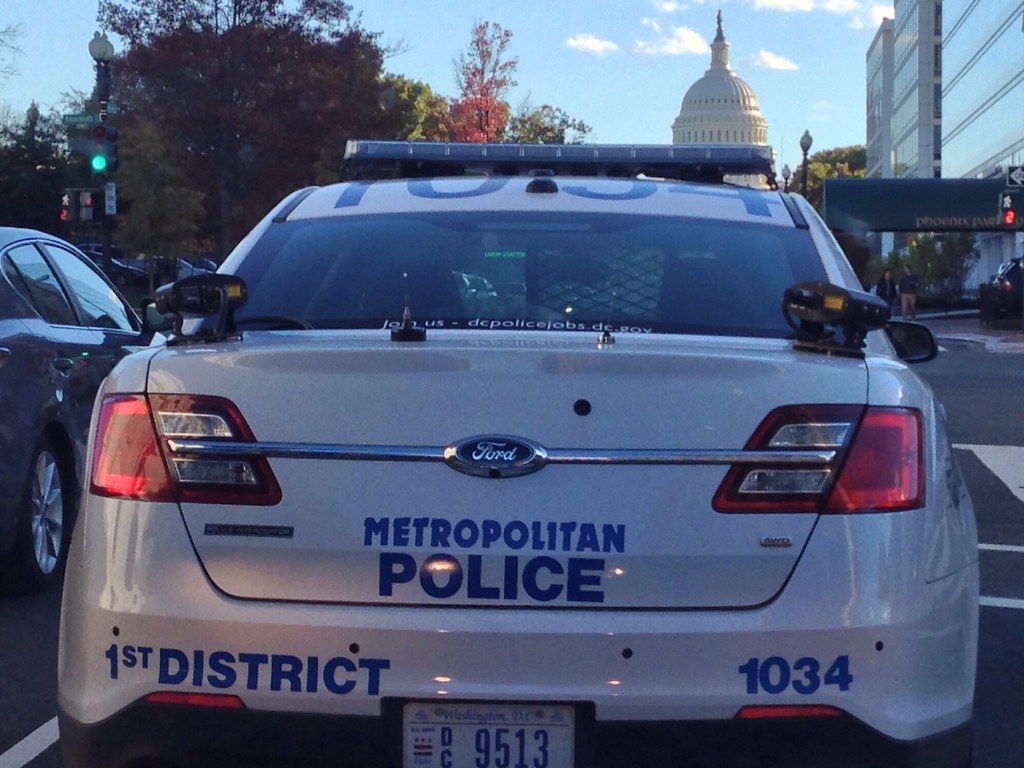
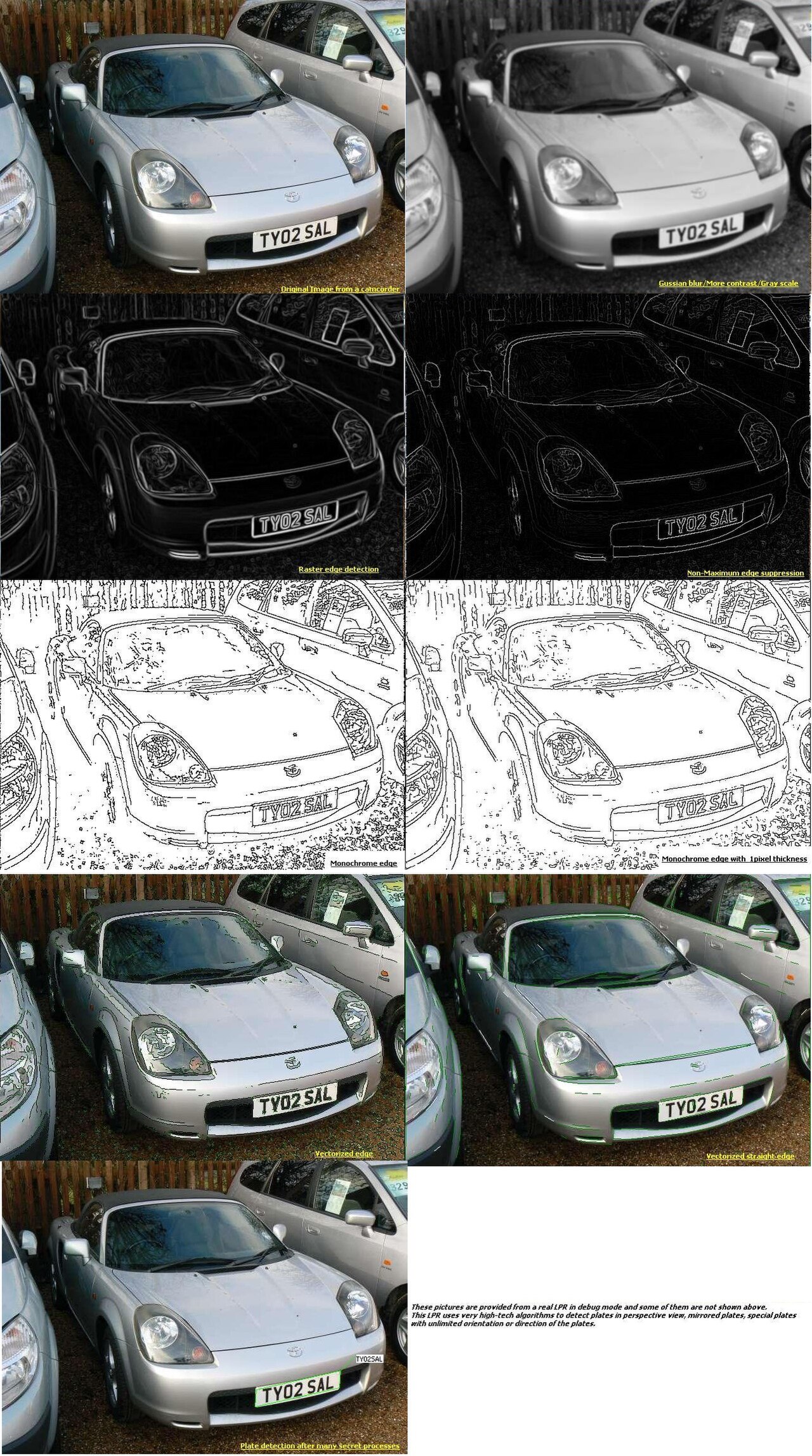
To understand why Sistilli's project landed the way it did, it helps to know what he was imitating. Flock Safety markets automated license-plate-recognition cameras to police departments and communities, pairing wireless cameras with cloud processing that turns a photo of a passing car into searchable data: plate number, time, location, and vehicle characteristics like make, color, and body type4,5,6.
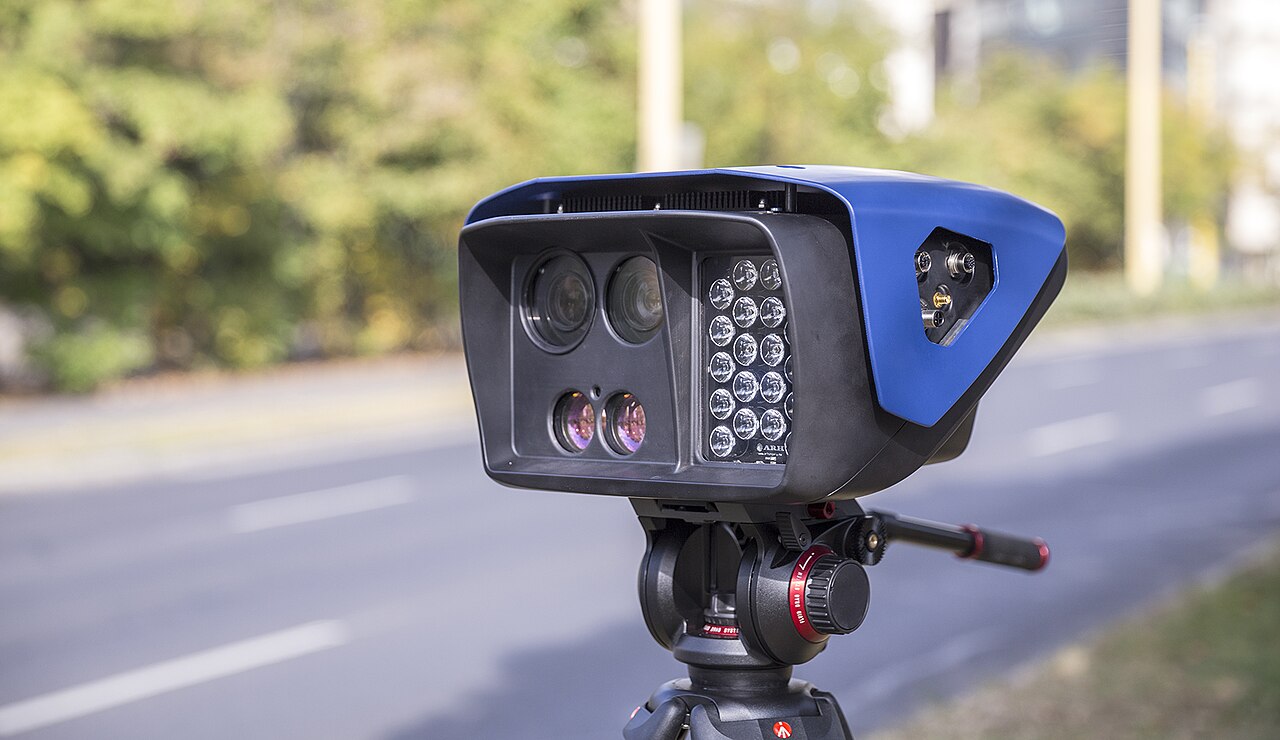
The company says its cameras can capture vehicles moving up to 100 miles per hour from as far as 75 feet away, and a single camera can log up to 15,000 vehicles a day, flagging matches against databases like the FBI's National Crime Information Center list of stolen vehicles7,6. Flock has long maintained that the system does not identify individuals or use facial recognition, describing its product as still images of vehicles and plates rather than continuous video7,8.
That framing has not gone unchallenged. A Harvard Kennedy School account, citing a Wired investigation, described newer Flock capabilities that go further: identifying vehicle occupants, reading bumper stickers, and spotting distinguishing marks like scratches, all cross-referenced against public and business records3. Cato Institute researcher Matthew Cavedon put it bluntly on a Harvard-affiliated podcast: "They are not license plate readers anymore; they are people readers at this point"3. Flock disputes that its system reaches that far, so this remains a live disagreement about capability, not a settled fact.
By September 2026, Reuters reported Flock had roughly 120,000 cameras operating across 49 states, a scale that has triggered a bipartisan backlash: Florida barred local police from installing the cameras on state highways, and Massachusetts Congressman-adjacent lawmakers Thomas Massie and Ro Khanna are pushing a bill to restrict federal funding for the systems2,3.
Who's Involved
- Anthony Sistilli: Canadian YouTuber, roughly 140,000 subscribers, who built the DIY police-tracking camera system1.
- Flock Safety: Company whose automated license-plate-reader network Sistilli's build was modeled on, used by thousands of police departments4,5,6.
- Matt Feury: Flock Safety's founder and CTO, quoted in an early case study about the system's development6.
- Matthew Cavedon: Director of the Cato Institute's Project on Criminal Justice, a vocal critic of Flock's expanding capabilities3.
- Thomas Massie and Ro Khanna: U.S. congressmen from opposing parties co-sponsoring legislation to restrict federal funding for Flock-style systems3.
The Scale of the Thing
- ~140,000: Sistilli's YouTube subscriber count, per reporting1.
- ~20 minutes: how long Sistilli said it took to train his detection model1.
- 100 mph / 75 feet: Flock's stated range for capturing a moving vehicle's plate7.
- 15,000: vehicles a single Flock camera can reportedly process in one day6.
- ~120,000: Flock cameras operating across 49 U.S. states as of September 20262.
- 2,000+: alleged instances a Kentucky officer used Flock cameras to track a former girlfriend, according to charges reported by ABC News8.
What the Record Doesn't Show
The strongest account of this story is a single secondary report, published October 9, 2026, and updated the next day1. It is detailed on the build itself but thin on everything downstream.
Unknown or unconfirmed: the exact date and location of the build, which police department sent officers to Sistilli's door, how many vehicles his system actually flagged, whether those plates were verified as genuine police vehicles rather than false positives, whether any officers' faces were captured, and whether the visit involved a warrant or any formal legal process1.
Also unresolved: whether Sistilli was charged, threatened, or asked to delete his database, and whether the project is still running. The word "stakeout" in some accounts of the story may describe Sistilli's own tracking setup rather than any specific police operation, and the sources available do not clarify which1.
Separately, it is worth being precise about what is and is not connected here. ABC News reported a Kentucky police officer was arrested after allegedly using Flock cameras to stalk a former girlfriend more than 2,000 times, a real and serious misuse case, but one unrelated to Sistilli's project8. The two stories illustrate the same underlying tool cutting in different directions, not the same incident.
Timeline
- 2020Flock Safety develops its automated license-plate-reader system with help from hardware partner Lantronix6.
- 2026-09-03Reuters reports Flock operates roughly 120,000 cameras across 49 states, and Florida bans the cameras on state highways amid backlash2.
- 2026 (date unspecified)Anthony Sistilli builds a DIY camera system modeled on Flock Safety, trained to detect likely police vehicles1.
- 2026-10-09A secondary report on Sistilli's project and the police visit to his home is published, then updated the following day1.
Pictures


Sources
- YouTuber builds a DIY Flock to spy on cops and the police show up at his doorpasqualepillitteri.it
- Florida bans highway license-plate readers as backlash over ...Reuters
- “Democracy is happening” in the fight over Flock camerashks.harvard.edu
- License Plate Reader Policy - Flock Safetyflocksafety.com
- License Plate Readers (LPR) Cameras - Flock Safetyflocksafety.com
- Flock Safetylantronix.com · 2020
- Frequently Asked Questions | Flock Safetyflocksafety.com
- Flock cameras trigger nationwide backlash over privacy ...abcnews.com
- SousveillanceWikipedia
- Police visit Mississauga YouTuber after post about video tracking in Bramptoninsauga.com
Researched and written by Lorelet from the sources above. It cites as it goes, but it can still get things wrong, so check the sources for anything that matters.
Report a problem
More featured lorelets
See all
Today · Technology
The Maker Who Rebuilt a Cray-1 Out of 30 Mac Minis
A museum in rural Spain spent 18 months building a full-scale Cray-1 replica, then stuffed it with 30 castoff 2012 Mac minis and made the thing actua…

Today · Science
Jonathan the Tortoise and the Secrets in His Shell
A Seychelles giant tortoise who may have hatched before Queen Victoria took the throne is now letting scientists read his DNA for clues about cancer…

Oct 9 · Film & TV
The Lost Interactive Art of 2000s DVD Menus
For about a decade, before streaming flattened everything into a thumbnail grid, the humble DVD menu was a playground for designers, who turned a sim…