
Featured · TodayHistory
Ali Maow Maalin and the Last Case of Smallpox
In 1977 a hospital cook in a small Somali port came down with a fever that doctors first called malaria. What his case set in motion would end one of history's deadliest diseases.

Listen
Read by Wren · 9 min
A Fever in Merca
On 22 October 1977, Ali Maow Maalin came down with a fever and headache2. He was a cook at the hospital in Merca, Somalia, and a few days earlier had even worked as a vaccinator for the smallpox eradication program5. Doctors treated him for malaria. Four days later a rash appeared, and this time the diagnosis changed to chickenpox2,3.
He was sent home. Nobody in the hospital suspected that the man who had helped administer smallpox vaccines was himself carrying the virus, and for several more days the case went untracked.
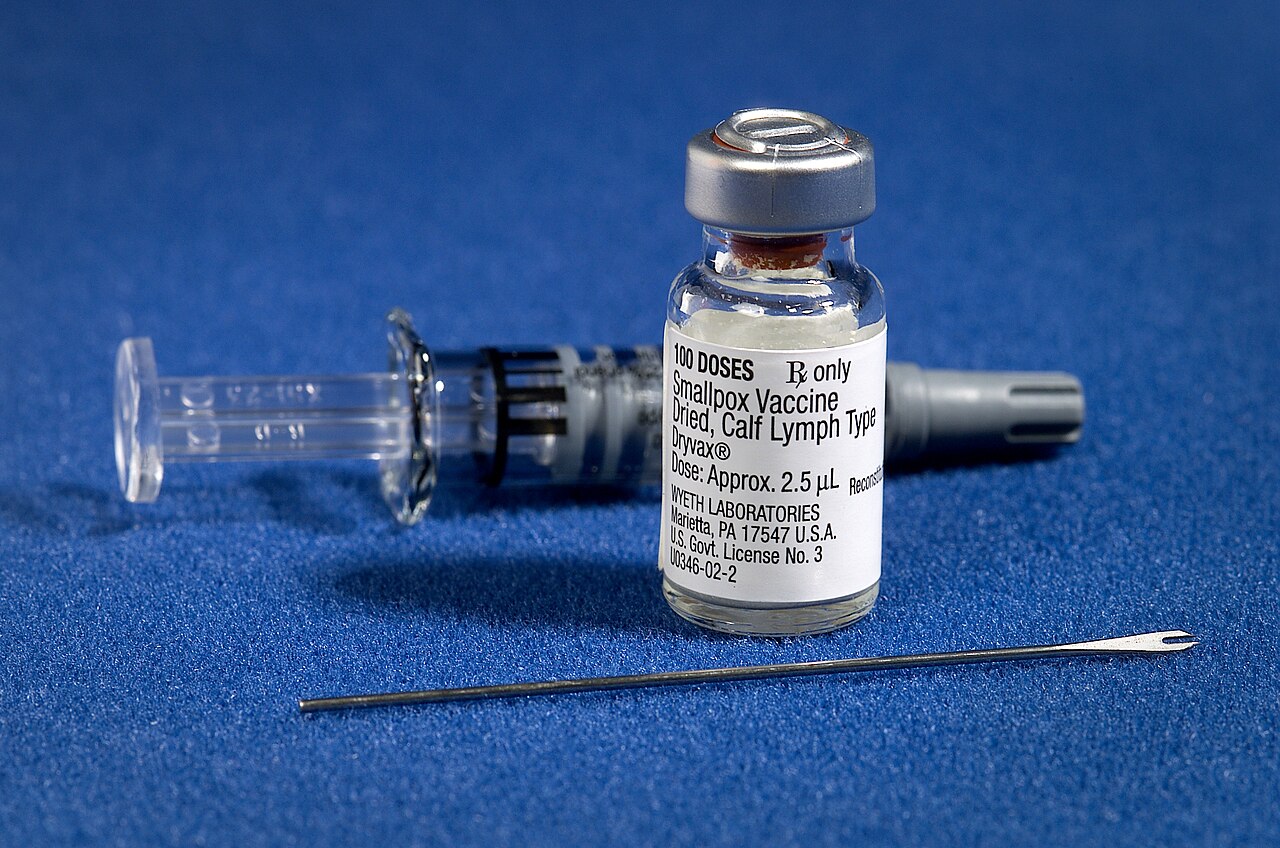
Maalin had been born in Merca in 1954, a coastal town in southern Somalia where smallpox had clung on longer than almost anywhere else on earth3,2. By the mid-1970s the disease had been wiped out across South America, Asia, and most of Africa, but Somalia's large nomadic population made surveillance difficult, and transmission persisted among small mobile groups moving through the Horn of Africa2,6. Vaccination was supposed to be mandatory for hospital staff, but Maalin later admitted in a 2007 interview that he had dodged it: "I was scared of being vaccinated then. It looked like the shot hurt"3.
The exposure, investigators later concluded, had happened on 12 October, ten days before his fever began. Two children from a nomadic encampment near Kurtunwaarey, roughly 90 kilometers inland, had developed smallpox, and a driver was taking them in a closed vehicle to an isolation camp near Merca3,5. The driver stopped at the hospital to ask directions. Maalin offered to come along. According to the WHO's later account, the driver asked if he was vaccinated, and Maalin told him not to worry5. He rode with the two children for no more than fifteen minutes3,2.
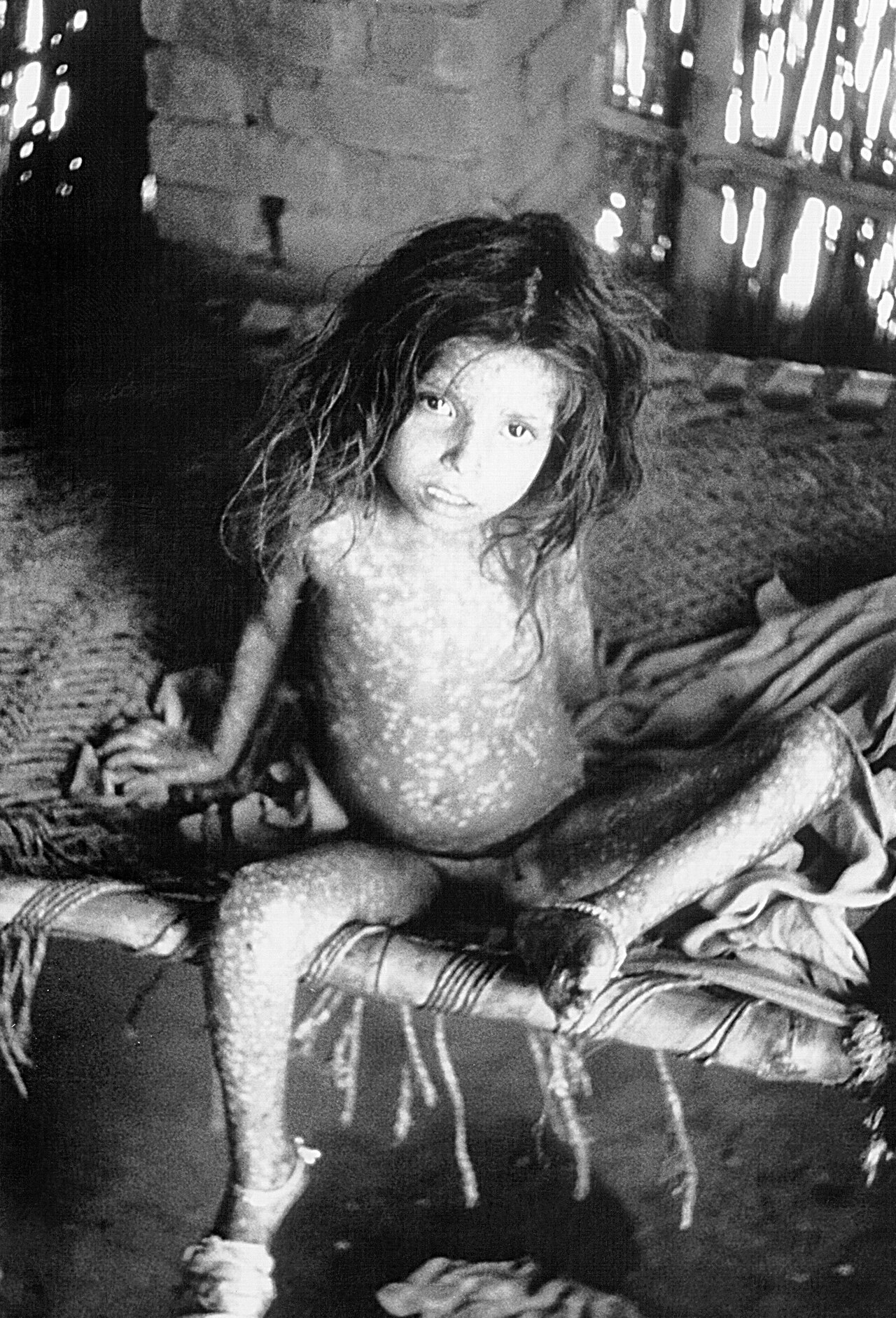
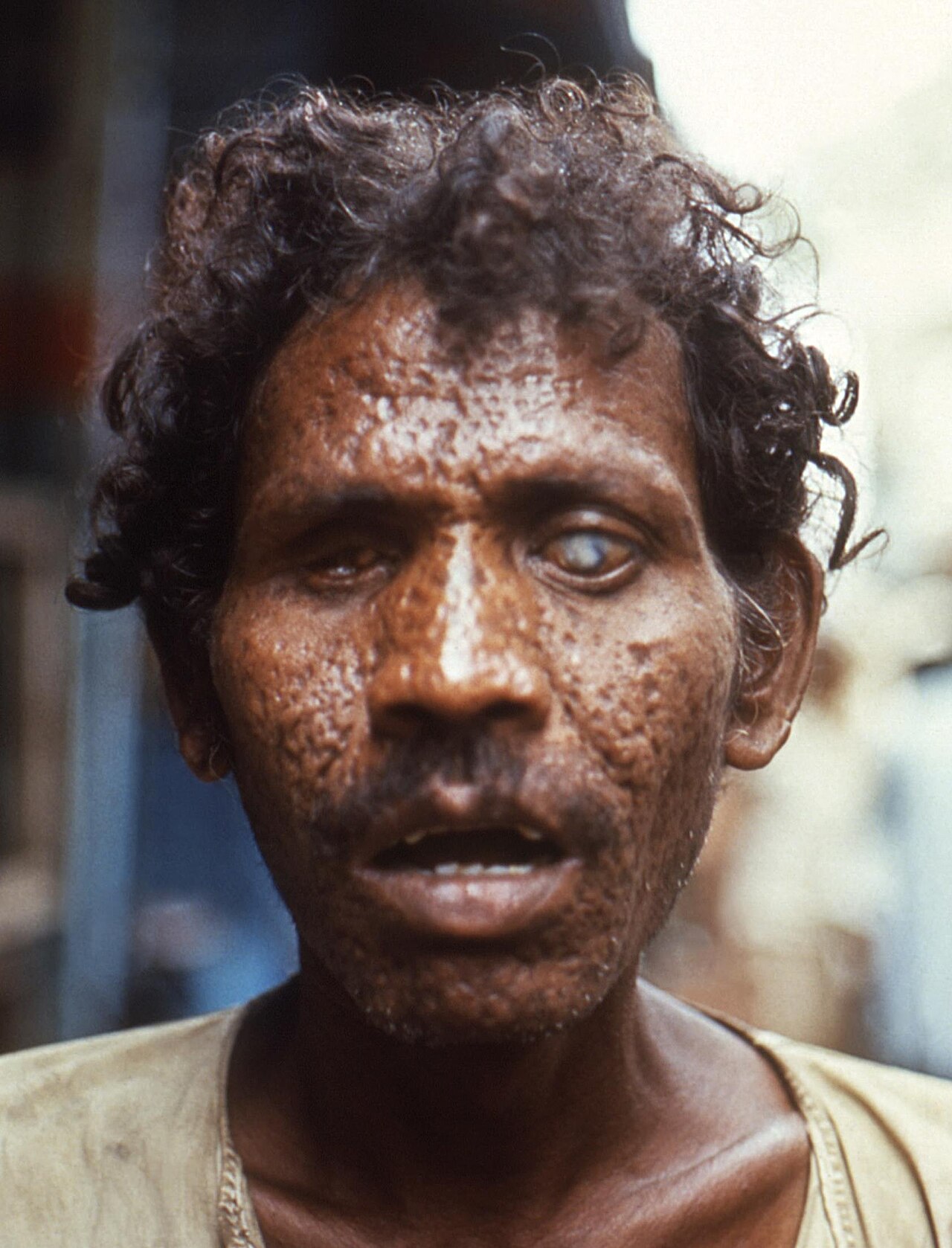
By the time his rash appeared, Maalin reportedly suspected it was not chickenpox at all. But he did not want to be isolated, and he did not report himself3. Visitors came and went from his room, friends and relatives of a man one WHO director later called "popular"3. It took a colleague, a nurse, to turn him in on 30 October, possibly drawn by a 200-shilling reward the government had put up for reported smallpox cases, worth roughly 35 dollars at the time3,6. Only then did eradication staff confirm what he already feared: smallpox, caused by the milder variola minor strain2,3.
What followed was a scramble. WHO epidemiologist Jason Weisfeld and Czechoslovak colleague Karl Markvart led the effort to trace everyone Maalin had been near, turning up 161 contacts, 41 of them unvaccinated3. Over the following two weeks, 54,777 people in and around Merca were vaccinated4,3. One of the two children Maalin had ridden with, a six-year-old girl named Habiba Nur Ali, died two days after the journey, the last person ever to die of naturally acquired smallpox3.
None of Maalin's own contacts developed the disease. Searches widened from house-to-house checks in Merca to a nationwide hunt completed that December, and on 17 April 1978 WHO's Nairobi office sent a telegram with a sentence that closed the loop: "Search complete. No cases discovered. Ali Maow Maalin is the world's last known smallpox case"3. He had made a full recovery and was discharged from isolation in late November 19773.
The global picture took longer to settle. A laboratory accident in Birmingham, England, in 1978 caused one further death, that of medical photographer Janet Parker, but it was not a naturally occurring case2. On 8 May 1980, the World Health Assembly declared the world free of smallpox, nearly three years after the fever that had first been mistaken for malaria in a hospital kitchen worker in Merca2,1.
Maalin went on to spend much of his working life fighting a different disease. He joined the roughly 10,000 volunteers who helped eradicate polio from Somalia, a campaign that succeeded by 2008, and worked for WHO as a local coordinator doing community outreach across the country3. "Somalia was the last country with smallpox," he said. "I wanted to help ensure that we would not be the last place with polio too"3. After poliovirus reemerged in Somalia in 2013, Maalin was back in the field vaccinating children in the Merca district when he developed a fever again. This time it was malaria, and he died of it on 22 July 20133,2.
By the Numbers
- 23: Maalin's age when he contracted smallpox in October 19775.
- 15 minutes: approximate length of the vehicle ride during which he was exposed3,2.
- 161: contacts traced by the WHO eradication team, 41 of them unvaccinated3.
- 54,777: people vaccinated in Merca in the two weeks after Maalin's isolation4.
- 200 Somali shillings (about $35): reward reportedly offered for reporting smallpox cases, possibly what prompted the colleague who turned Maalin in3,6.
- 8 May 1980: date the World Health Assembly formally declared smallpox eradicated worldwide, nearly three years after Maalin's case2,1.
Who's Who
- Ali Maow Maalin: Hospital cook and occasional vaccinator in Merca, Somalia, who became the last known person naturally infected with smallpox5,3.
- Habiba Nur Ali: Six-year-old girl who rode in the same vehicle as Maalin and died of smallpox two days later, the last person to die of a naturally acquired case3.
- Jason S. Weisfeld: CDC epidemiologist who led the WHO team that confirmed and contained Maalin's case7,3.
- Karl Markvart: Czechoslovak member of the WHO containment team in Merca3.
- Donald Henderson: Director of the WHO's smallpox eradication program from 1967 to 1976, who later called Maalin's case "a classic one in depicting omissions and mistakes in program operations"3.
- World Health Organization: Coordinated the global eradication campaign and formally declared smallpox eradicated on 8 May 19802.
Why Somalia Was Last
Smallpox had already vanished from South America by 1971 and from Asia by 1975, leaving Africa as the final frontier, and within Africa, Somalia held out longest2. A 1969 mass vaccination campaign there had largely failed, since many nomadic communities in the region objected to vaccination on cultural grounds and either refused it or avoided vaccinators altogether3.
Eradication workers shifted strategy toward surveillance, isolation, contact tracing, and ring vaccination: immunizing the people around each new case rather than trying to reach the entire population at once2,4. A major outbreak in Mogadishu that began in August 1976 and ran into January 1977 was followed by further flare-ups in the south, and by June 1977, roughly 3,000 Somali health workers and 23 international advisers were fighting to contain them, work made harder that July when the Ogaden War broke out and cut off access to parts of the desert3,6.
Maalin's case, in October, became the last natural link in that chain.
Timeline
- 12 October 1977Maalin rides with two smallpox-infected children in a vehicle for about 15 minutes; later identified as his likely exposure.
- 22 October 1977Maalin develops fever, initially diagnosed with malaria.
- 26 October 1977A rash appears; he is then diagnosed with chickenpox.
- 30 October 1977A nurse colleague reports him; smallpox is correctly diagnosed and he is isolated.
- Late November 1977Maalin makes a full recovery and is discharged from isolation.
- 17 April 1978WHO's Nairobi office telegrams that the search for further cases is complete, naming Maalin the world's last known smallpox case.
- 8 May 1980The World Health Assembly formally declares smallpox eradicated worldwide.
- 22 July 2013Maalin dies of malaria while working on polio vaccination in Merca.
Sources
- Smallpox: Successnlm.nih.gov
- History of Smallpoxcdc.gov · 2024
- Ali Maow MaalinWikipedia
- British History in depth: Smallpox: Eradicating the Scourge - BBCBBC
- WHO Director-General's High-Level Welcome at the Seventy-Sixth World Health Assembly – 21 May 2023who.int
- The last smallpox outbreaks in the world – eradication efforts in Somalia – selected memories of a WHO field epidemiologist.Somali Health Action Journal · 2024
- CDC Connects: Smallpox Eradication: Memories and Milestones, 10/26/2007stacks.cdc.gov
Researched and written by Lorelet from the sources above. It cites as it goes, but it can still get things wrong, so check the sources for anything that matters.
Report a problem
More featured lorelets
See all
Today · History
Baron von Toll and the Island That Wasn't There
An Arctic ship sat trapped in ice, ninety miles from four men waiting on a remote island for a rescue that could not come.

Today · History
The Sign That Promised More Than a Movie
On opening day in 1921, Chicago crowds lined up hours early for a new movie palace on State Street. The real draw wasn't only on the screen.

Oct 25 · History
The Zinoviev Letter and Britain's 1924 Red Scare
Four days before a general election, a newspaper published a secret document said to prove Moscow was plotting with Britain's governing party. Decade…