
Featured · Nov 26History
The King's Ship That Burned Without a Trace
In the summer of 1495, Denmark's royal flagship went up in flames at anchor while the king watched from shore. Five centuries later, archaeologists still can't find the fire.
Listen
Read by Wren · 8 min
A Fire With No Enemy in Sight
King Hans stood ashore near Ronneby in the summer of 1495, part of an 18-ship fleet he had brought from Copenhagen toward Kalmar, Sweden3,9. His flagship, Gribshunden, lay anchored off the small island of Stora Ekon, carrying his courtiers, noblemen, soldiers, and even a royal astronomer3. While he was on land, fire broke out aboard the ship and an explosion followed, and it sank quickly at anchor2,10,8.
No enemy fleet was near. No battle was underway. The king was safe on shore, and still people aboard his own ship burned or drowned that day1,3.
The mission mattered enormously to Hans. Denmark, Norway, and Sweden had been bound together for nearly a century under the Kalmar Union, but Sweden had broken away under the regent Sten Sture the Elder, and Hans was sailing to Kalmar hoping the Swedish Council would finally elect him king and restore the union11,3,4. Gribshunden was not just transport. It was, as one archaeologist later put it, the equivalent of a nuclear-powered aircraft carrier arriving to make an impression on people used to small longboats3.
The ship had entered royal service around 1486, built probably near Rotterdam in 1483-84, and King Hans had sailed it to Norway, to Gotland, and sent it to England to negotiate with Henry VII1,12. It carried wrought-iron breech-loading swivel guns, among the earliest shipboard artillery in northern Europe, though built for killing people rather than sinking ships1,3. Its normal crew was small, perhaps four officers and 25 men, but on a voyage like this one it may have held as many as 150 people, including noblemen's retinues and, according to later researchers, German mercenary soldiers1,5.
Written accounts closest to the event, including the Swedish Sturekronikan and later German chronicles, agree that fire and an explosion destroyed the ship1. A sixteenth-century Latin account of Hans's life, only translated in recent research, says the ship's gunpowder ignited accidentally, with flames spreading so fast that many aboard died in the smoke before they could escape3,13. Teenage expedition member Tyge Krabbe, recalling the event twenty years later, remembered the deaths among the roughly 150 people said to be on board, though his memory also misplaced the year by one, a reminder that these recollections need careful handling rather than blind trust1.
The wreck vanished beneath Baltic water about ten metres deep, undisturbed except for salvage attempts Hans ordered soon after the sinking, until local sport divers found it in the 1970s1,6. For decades nobody knew what they had found. Only around 2000 did Blekinge county authorities learn the wreck might be a medieval warship and order formal investigation, and only in the early 2000s did archaeologist Lars Einarsson and naval historian Ingvar Sjoblom begin tying the hull to the name Gribshunden1.
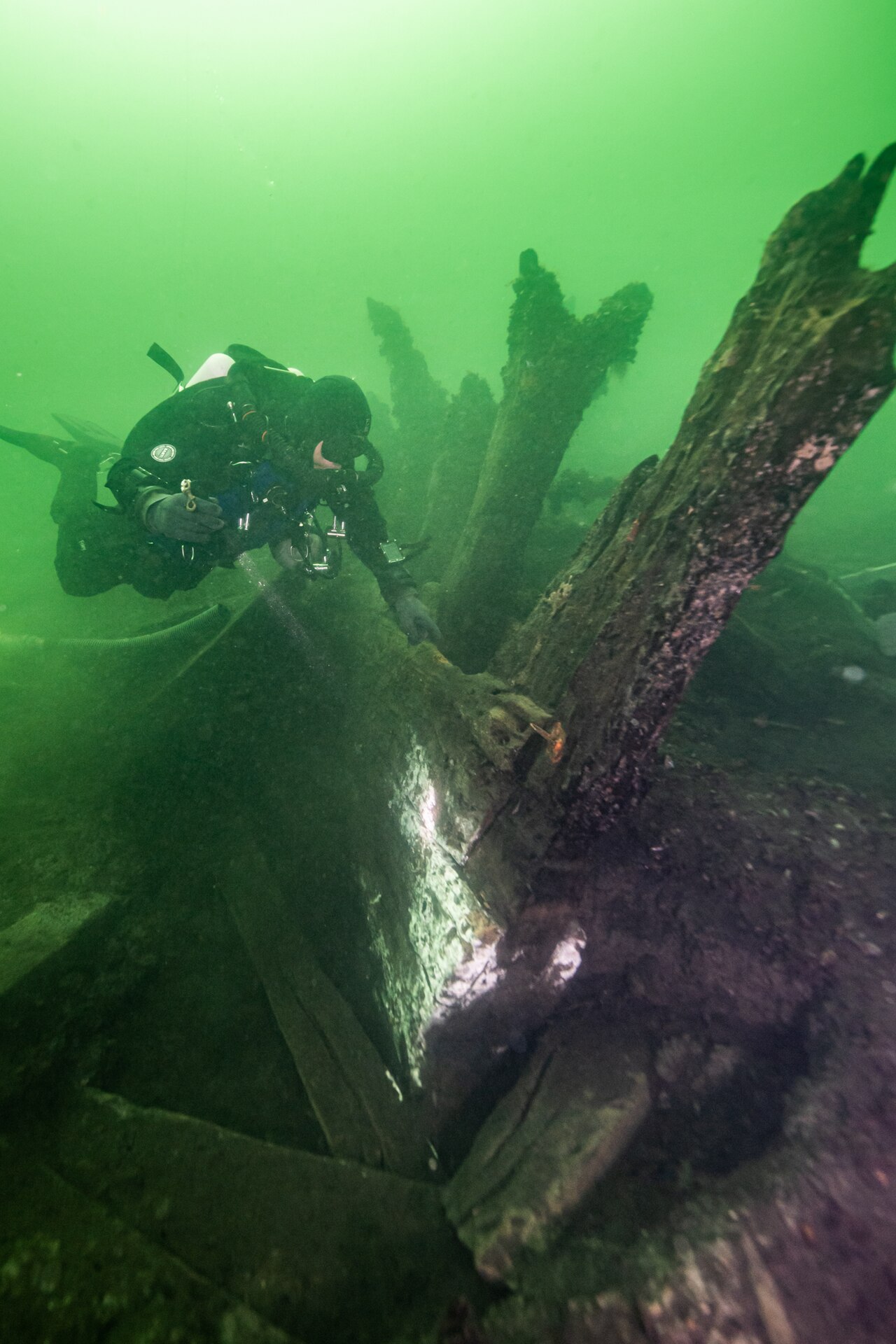
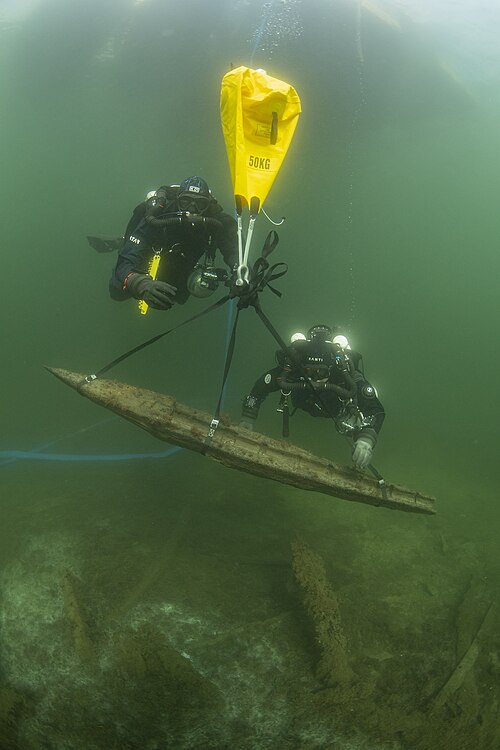
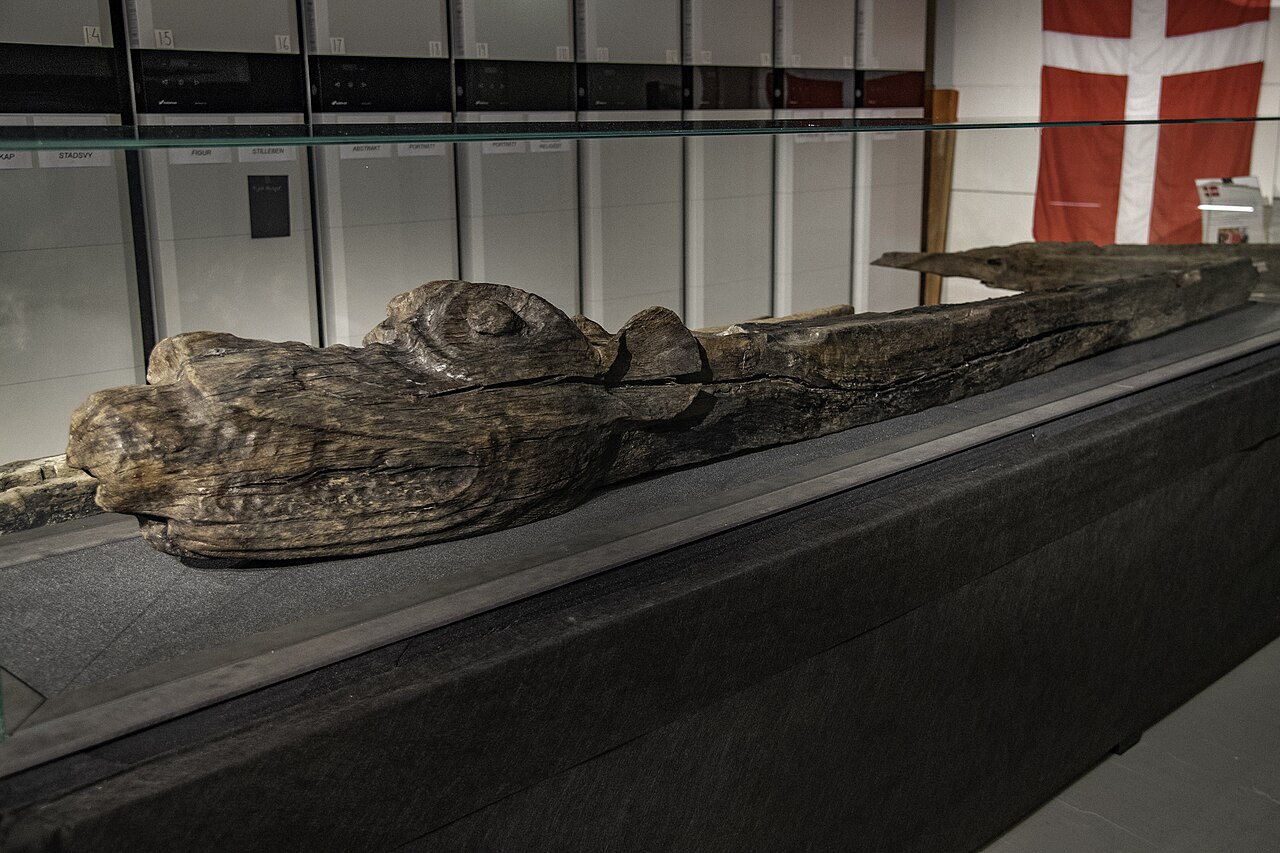
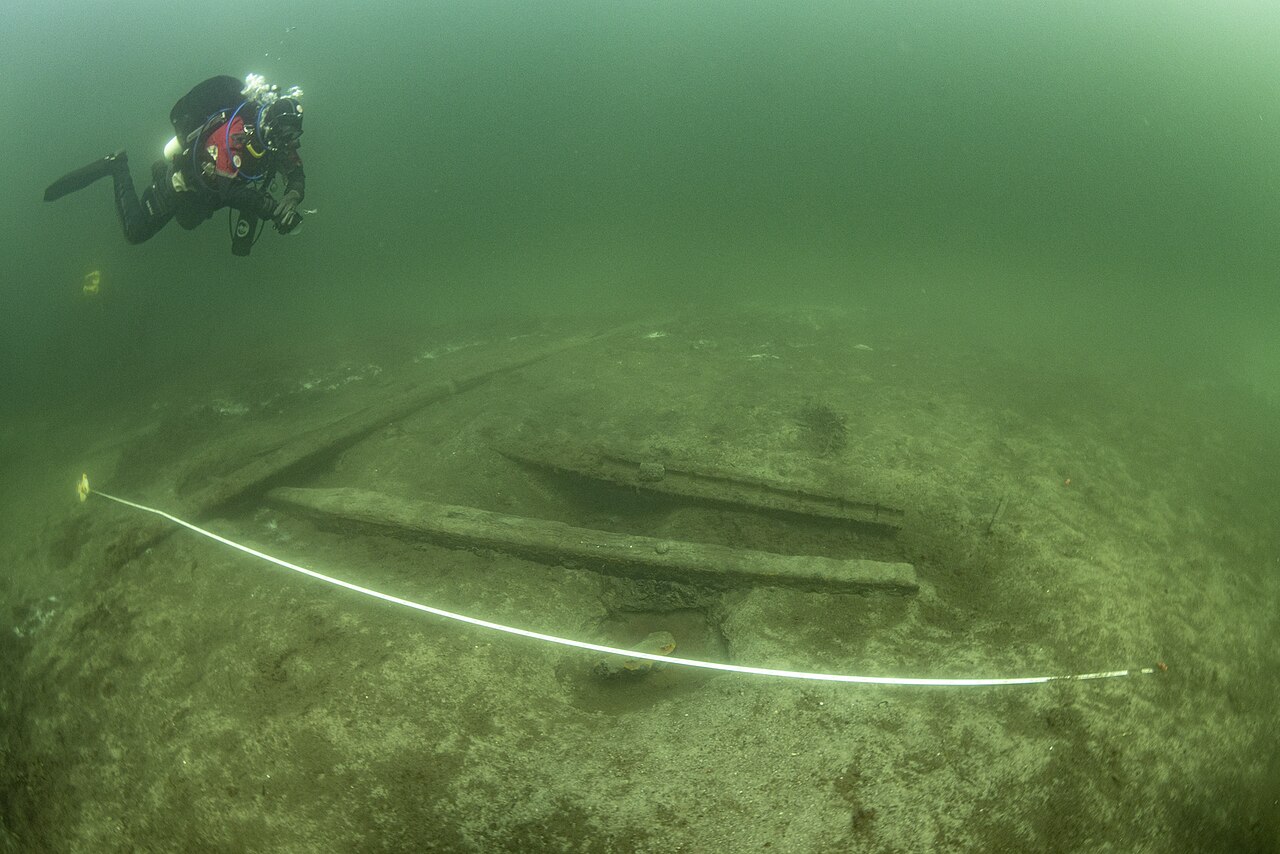
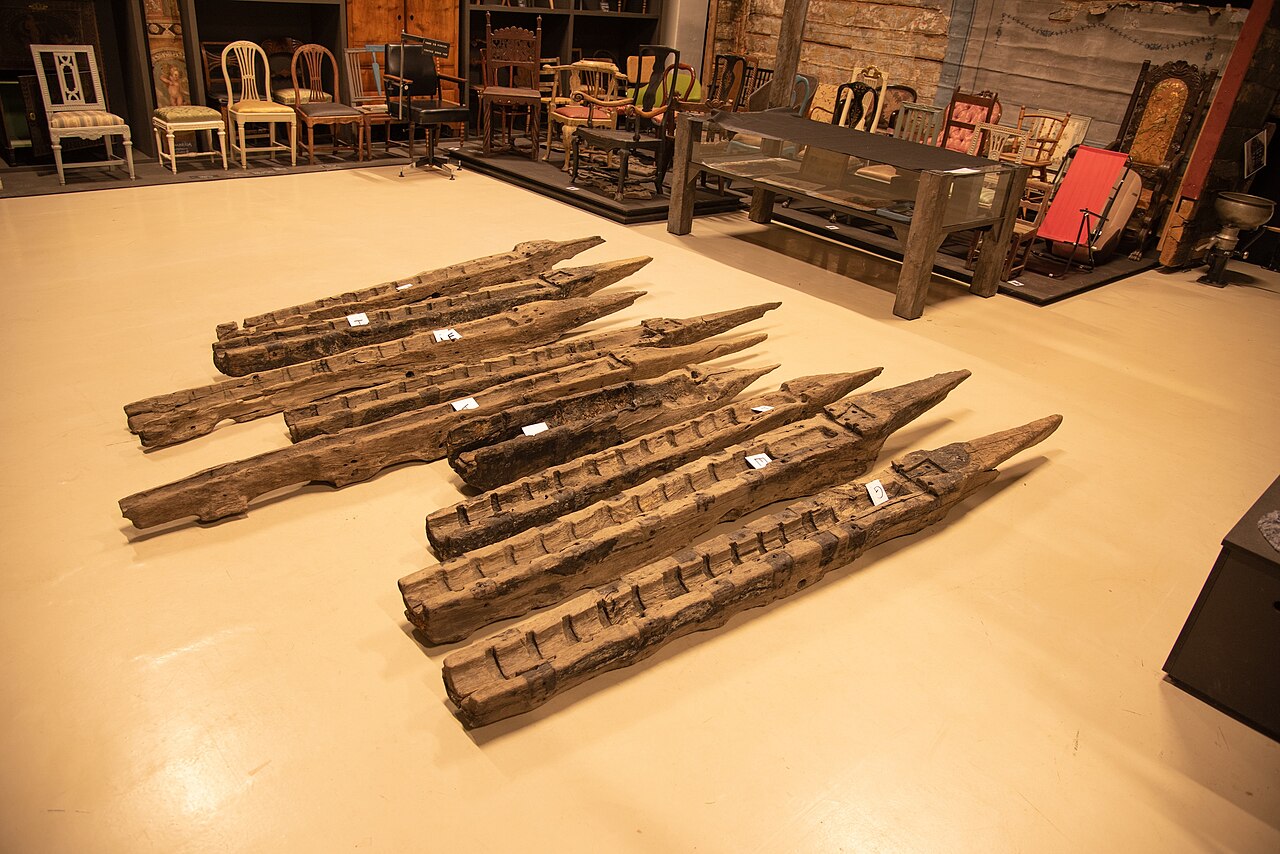
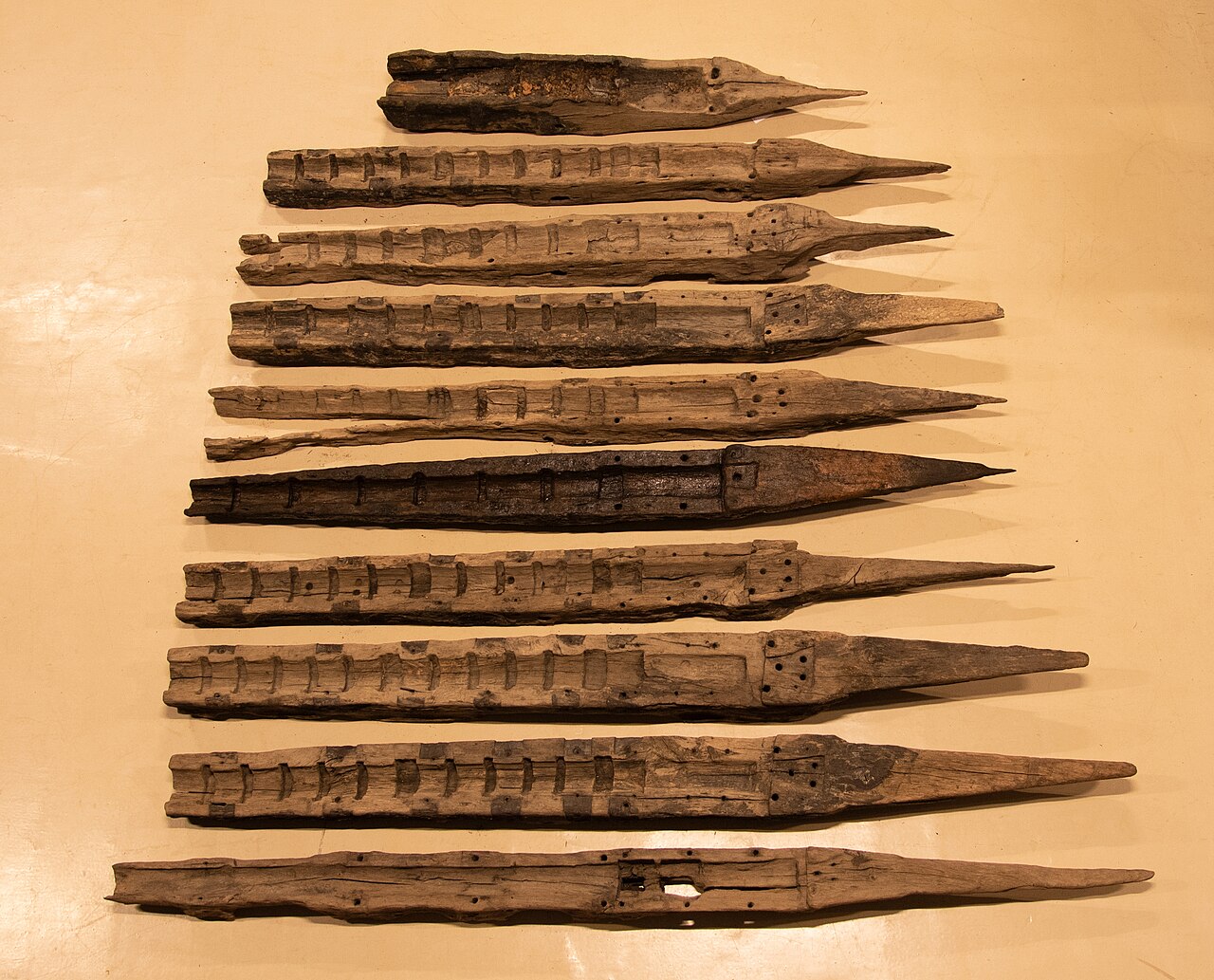
What followed was one of the best-preserved warship excavations from the late medieval period anywhere, helped by Baltic brackish water that keeps shipworm away1. Lund University's Brendan Foley joined the project in 2017 and, with Blekinge Museum and the Danish Viking Ship Museum, led major campaigns through 2019 and into the 2020s, recovering gun carriages, crossbows, a figurehead shaped like a monster devouring a man, and barrels of spices from across the known world1,3,2.
And yet the fire itself has stayed stubbornly out of reach. In 2022, Foley said plainly that while medieval documents described fire and explosion, archaeologists had not found clear physical evidence of either in the areas they had examined7,8. The Wikipedia summary of the archaeology goes further, noting investigations have revealed no evidence of fire on the ship at all1. That does not mean the written accounts are wrong. It means that five centuries after a king watched his floating castle go up in flames from the shore at Ronneby, the exact moment of ignition is still missing from the record the sea kept.
Who Was Involved
- King Hans (John): Ruler of Denmark and Norway from the early 1480s, later briefly king of Sweden; used Gribshunden as his flagship and mobile seat of government11,4.
- Gribshunden: The royal warship itself, also recorded as Griffen, Gribshund, and other variants, built around 1483-84 and in service about a decade1,12.
- Sten Sture the Elder: Regent of Sweden who resisted reunification with Denmark and Norway, and whose delayed arrival at Kalmar undercut Hans's plan even after the ship was lost1.
- Tyge Krabbe: A teenage expedition member whose account, written twenty years later, is a key but imperfect source on casualties1.
- Brendan Foley: Lund University archaeologist who joined the Gribshunden project in 2017 and led major excavation campaigns3,8.
- Rolf Warming and Johan Rönnby: Archaeologists leading more recent survey work that uncovered chain mail and a weapons chest near the ship's forecastle5.
By the Numbers
- 1483-84: Approximate construction period of the ship, probably near Rotterdam12.
- 1486: King Hans had taken possession of the ship by spring of this year12.
- 1495: Year the ship sank off Stora Ekon1,2.
- 10 metres: Depth at which 1970s sport divers found the wreck1,6.
- 25.5 m / 32 m: Keel length and estimated overall length of the ship1.
- 14 to 68: Range of estimates for the number of guns carried, from confirmed wrought-iron swivel guns to reconstructed totals1.
- 4 officers, 25 crew, up to 150: Normal complement versus possible wartime or diplomatic capacity1,5.
- 8%: Estimated share of the Danish national budget the ship's construction and equipping may have absorbed in 148512.
What Still Doesn't Add Up
The cause of the disaster is the central unresolved question. The strongest documentary explanation, from a sixteenth-century Latin life of King Hans, says gunpowder ignited by accident3,13. But that account was written well after the event and is not an eyewitness report.
Archaeologists have not found a clear blast or fire signature on the wreck itself. In 2022 Brendan Foley said directly that no such evidence had turned up in the areas examined so far, and the main Wikipedia summary of the excavation states flatly that investigations have revealed no evidence of fire on the ship1,7,8. This does not disprove the fire; it means the physical trace has not yet been located or may lie in an unexcavated part of the wreck.
A competing idea, a lightning strike, has surfaced in later reporting, but no excavated evidence in the available sources supports it over the gunpowder explanation; it remains a hypothesis rather than a finding5.
The presence of German mercenaries aboard is drawn from historical sources and supported by finds like copper-alloy chain mail near a weapons chest, but researchers describe this link as a strong possibility rather than a confirmed identification of who exactly owned or used that armor5,14.
Timeline
- c. 1483-84Ship built, probably near Rotterdam12.
- 1486King Hans in possession of the ship, referred to in his own letter as 'our ship Griffon'1.
- 1486-1490Voyages to Norway, Gotland, and a diplomatic mission to England1.
- Summer 1495Ship sinks at anchor off Stora Ekon near Ronneby after fire and explosion while King Hans is ashore1,2,10.
- 1497Kalmar Union temporarily restored after Hans's forces defeat Sten Sture at Rotebro1.
- 1970sLocal sport divers discover the wreck1,6.
- c. 2000-2002Blekinge county authorities and archaeologists begin to identify the wreck as a medieval warship1.
- 2019-2021Major excavation campaigns recover artillery, armor, and food remains6,10.
- 2022Brendan Foley notes no physical evidence of fire or explosion has been found on the wreck7,8.
- October 2026Fine copper-alloy chain mail and a weapons chest recovered near the ship's forecastle5.
Pictures

Sources
- GribshundenWikipedia
- The king’s spice cabinet–Plant remains from Gribshunden, a 15th century royal shipwreck in the Baltic Seajournals.plos.org
- An Extraordinary 500-Year-Old Shipwreck Is Rewriting the History of the Age of DiscoverySmithsonian Magazine · 2021
- Interim Report on Gribshunden (1495) Excavations: 2019–2021Brill · 2024
- While Exploring a 500-Year-Old Shipwreck Off the Coast of Sweden, Underwater Archaeologists Discovered Medieval Chain Mail That May Have Belonged to German MercenariesSmithsonian Magazine · 2026
- Gribshunden shipwreck: A Short Report from the 2019 Excavation – Crafoordska stiftelsencrafoord.se
- Cutting edge science reveals Gribshunden's shipwrecked secretslunduniversity.lu.se
- News - Researchers Return to Age of Exploration Shipwreckarchaeology.org
- Researchers Shed New Light on a 15th-Century 'Floating Castle ...gizmodo.com
- Interim Report on Gribshunden (1495) Excavations: 2019–2021brill.com
- Hans, King of DenmarkWikipedia
- Forgotten royal warship sunk 500 years ago reveals surprising secretssciencedaily.com
- An Extraordinary 500-Year-Old Shipwreck Is Rewriting the History of the Age of DiscoverySmithsonian Magazine
- Medieval armour discovered on centuries old Danish shipwrecksouthampton.ac.uk
- Archaeologists reveal secrets of royal shipwreck sunk in ...newsweek.com
- Weapons chest found on wreck of 15th-century 'floating ...livescience.com
Researched and written by Lorelet from the sources above. It cites as it goes, but it can still get things wrong, so check the sources for anything that matters.
Report a problem
More featured lorelets
See all
Today · History
The RAF Fauld Explosion: Britain's Largest Blast Crater
On a quiet Monday morning in wartime Staffordshire, the ground opened up. It took thirty years for anyone outside the military to find out why.

Today · History
When Alfred Nobel's Will Shocked His Family
A handwritten testament gave away a fortune to strangers and left a young assistant to make it real, against the wishes of furious relatives and a ki…

Today · Space
First Breath: How Astronomers Sniffed an Exoplanet's Air
A star 150 light-years away, a planet crossing its face, and a sliver of color in the spectrum that changed what astronomers thought was measurable.